14+
GLORIOUS YEARS



GLORIOUS YEARS
PROJECTS DONE
HAPPY CLIENTS
DEVELOPERS
Developing a ride-sharing app has become a cornerstone of modern urban mobility, offering a flexible, cost-effective alternative to traditional taxi services and public transportation. The success of companies like Uber and Lyft has not only transformed how people commute but also paved the way for numerous startups and enterprises to venture into the ride-sharing domain. In this detailed exploration, we'll cover key aspects of ride-sharing app development, including market research, feature set, technology stack, development process, challenges, and future trends.
Developing a ride-sharing app is a complex but rewarding venture that requires careful planning, a strong technical foundation, and a keen understanding of the market and its users. By focusing on a seamless user experience, innovative features, and scalability, your app can successfully navigate the competitive landscape and make a significant impact on urban mobility. As the industry continues to evolve, staying ahead of technological trends and regulatory changes will be key to long-term success.
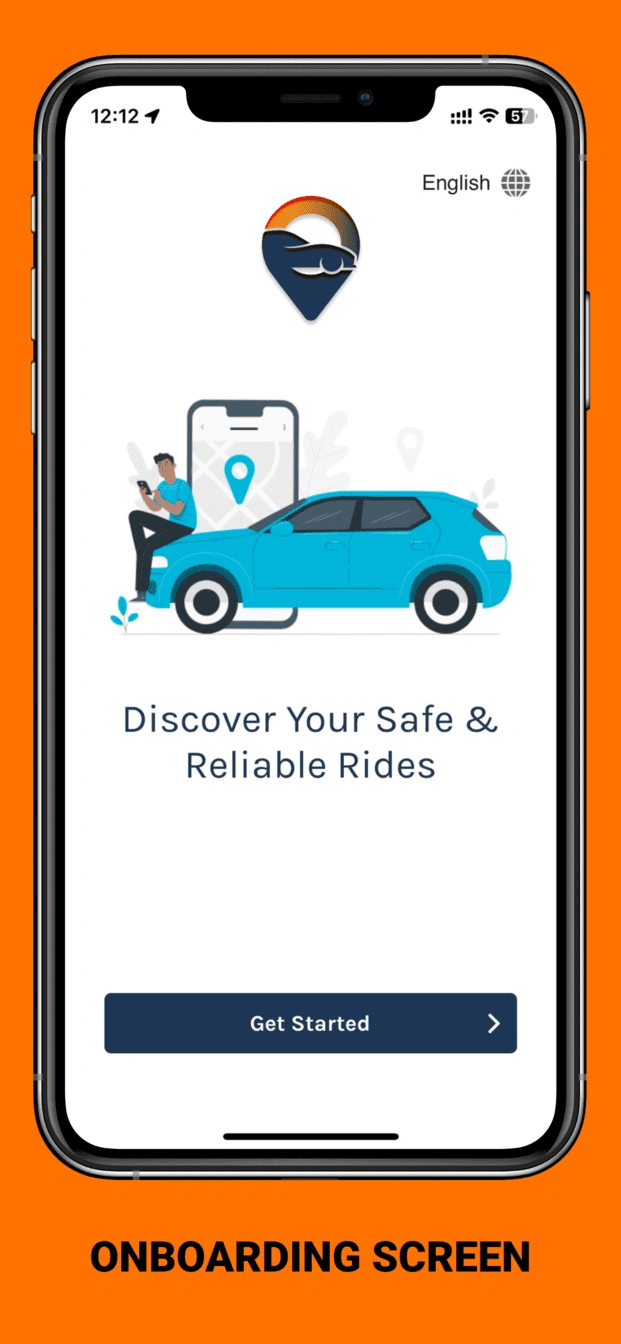
The platform is built natively for Android and iOS so riders get the performance they expect on their own device. Riders, drivers and your operations team are connected through one system, from the moment a ride is requested to the point it is paid for and closed.






Our ride sharing app development services help startups, transport operators and enterprises launch a mobility platform under their own brand. Choose a ready-to-deploy white-label rideshare solution when you want to be live quickly, or a custom build when your business model needs something an existing product does not do.
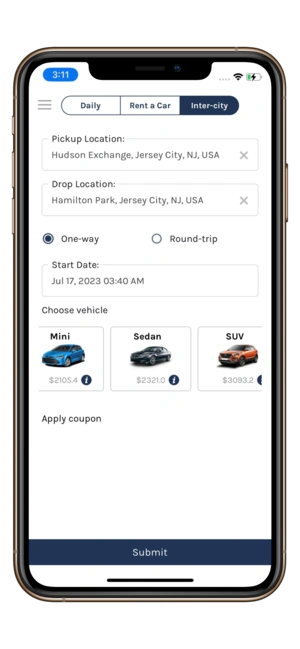
One platform covers the models: on-demand ride hailing, peer-to-peer ride sharing, carpooling, employee and corporate transport, scheduled rides and intercity travel. A passenger app and a driver app on native Android and iOS, plus a central admin panel, give you what is needed to run daily operations across every city you serve.
Everything that defines how you operate is configurable: branding, service zones, vehicle categories, fare and commission rules, payment gateways and mapping provider. Where your requirements go beyond configuration, our team builds the functionality and the third-party integrations around them.
A ready-to-deploy platform is the faster and cheaper route for most operators, because the passenger app, driver app and admin panel already exist and only need configuring. A custom build is the right call when your pricing, matching or settlement logic has no equivalent in an existing product.
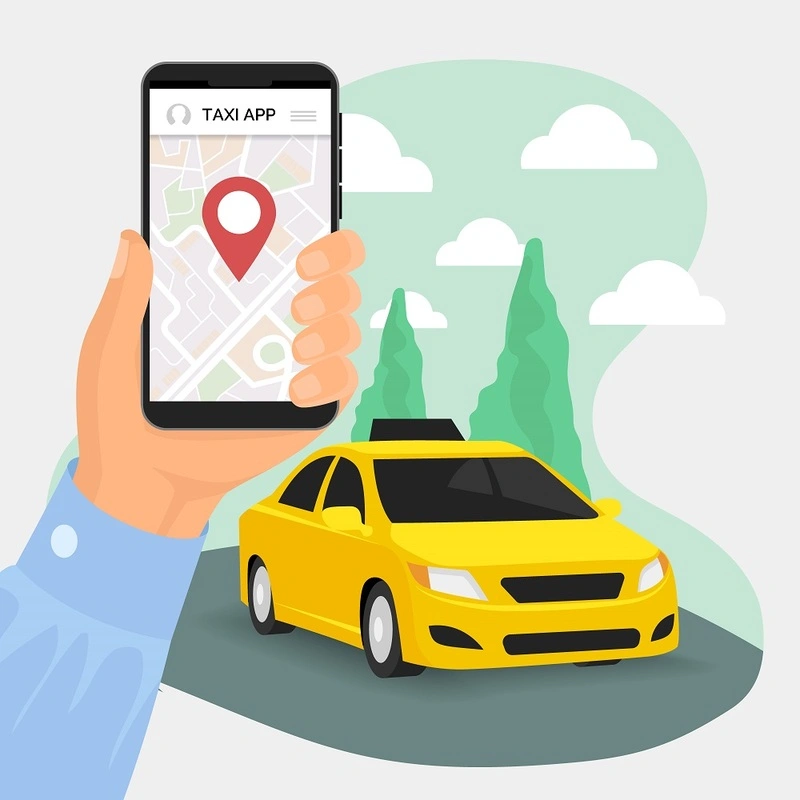
The same platform is configured differently depending on who is riding, who is driving and how the fare is split. These are the models we build for.
A rider requests, the nearest available driver is matched, and the trip is tracked live. If you want this model specifically, our Uber clone app is built around it.
Drivers publish the journeys they are already making and riders book a seat on them, rather than ordering a car to come to them.
Route matching, seat availability and cost sharing for commuters travelling the same way. See our BlaBlaCar clone solution for this model.
Scheduled office commutes with employee onboarding, fixed routes and trip reporting for the organisation paying for the rides.
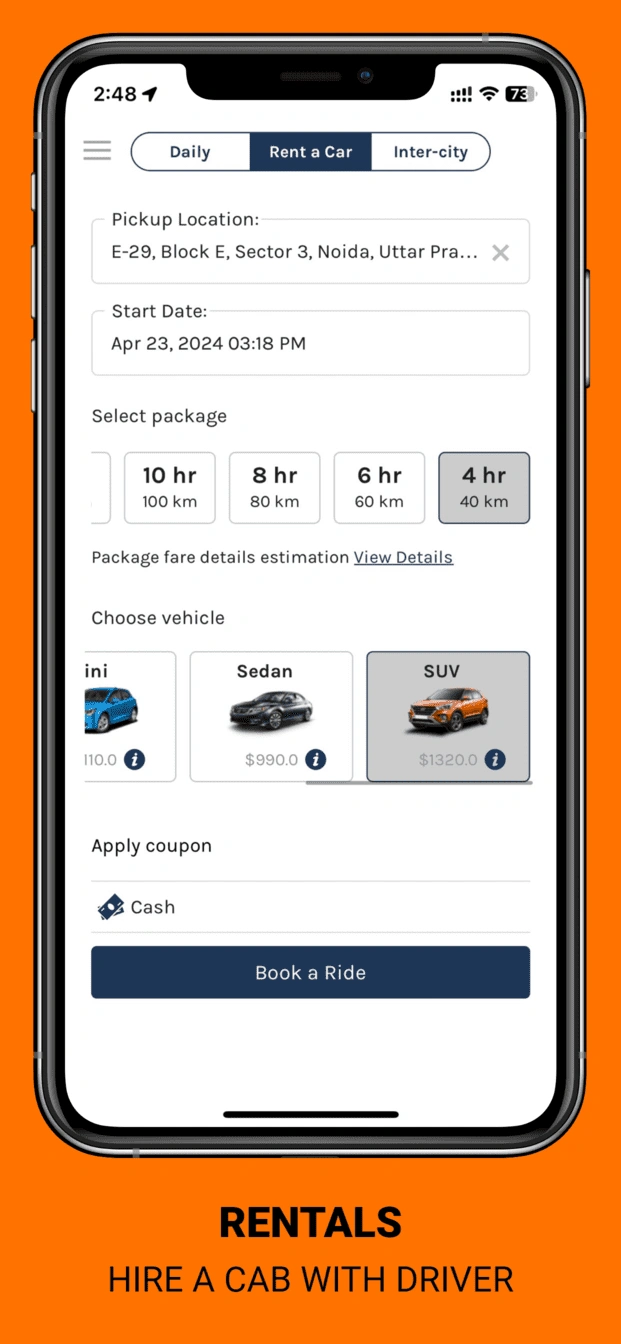
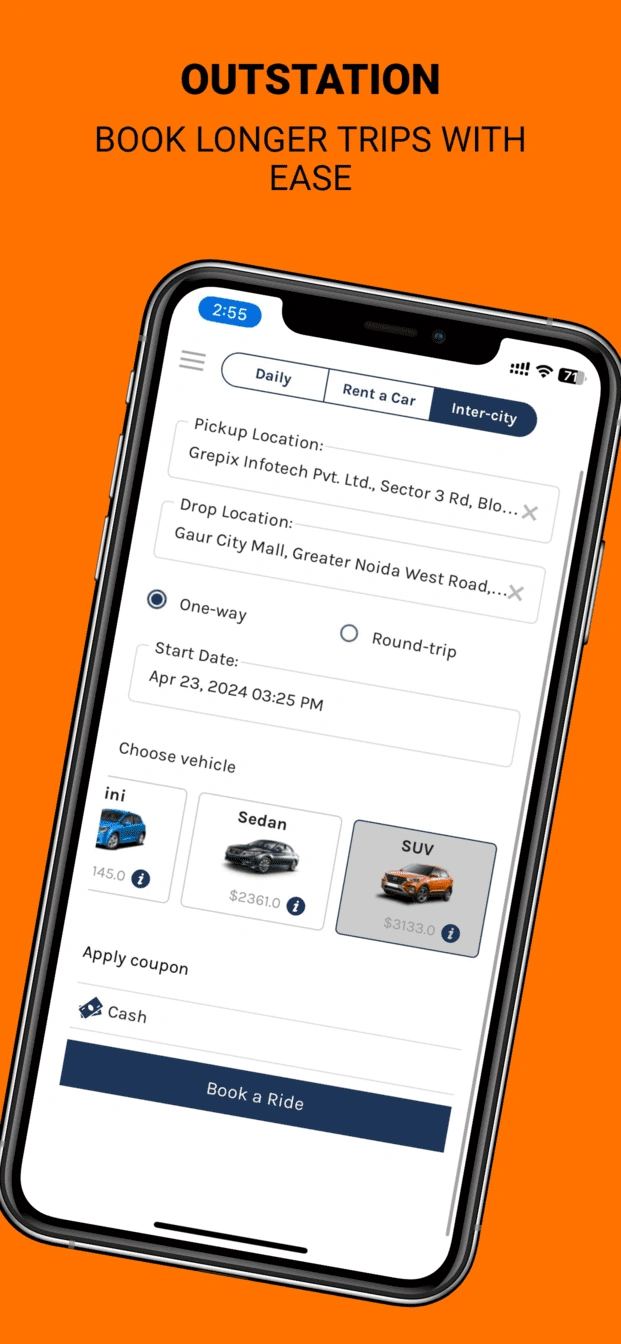
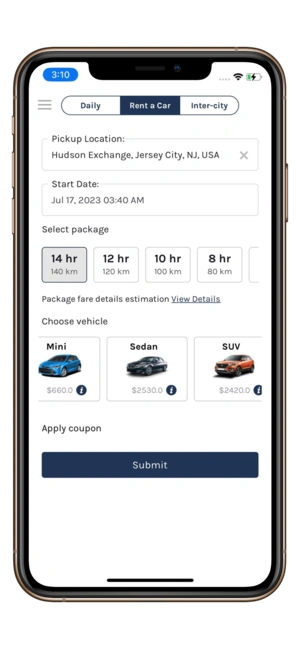
Long-distance shared travel with advance booking and multi-day trips — already supported by the intercity and rental ride types in the platform.
Closed-group mobility for a campus, a residential community or an organisation, where riders and drivers are verified members.
Three applications ship together. Riders, drivers and your operations team only ever see your name, your logo and your colours.
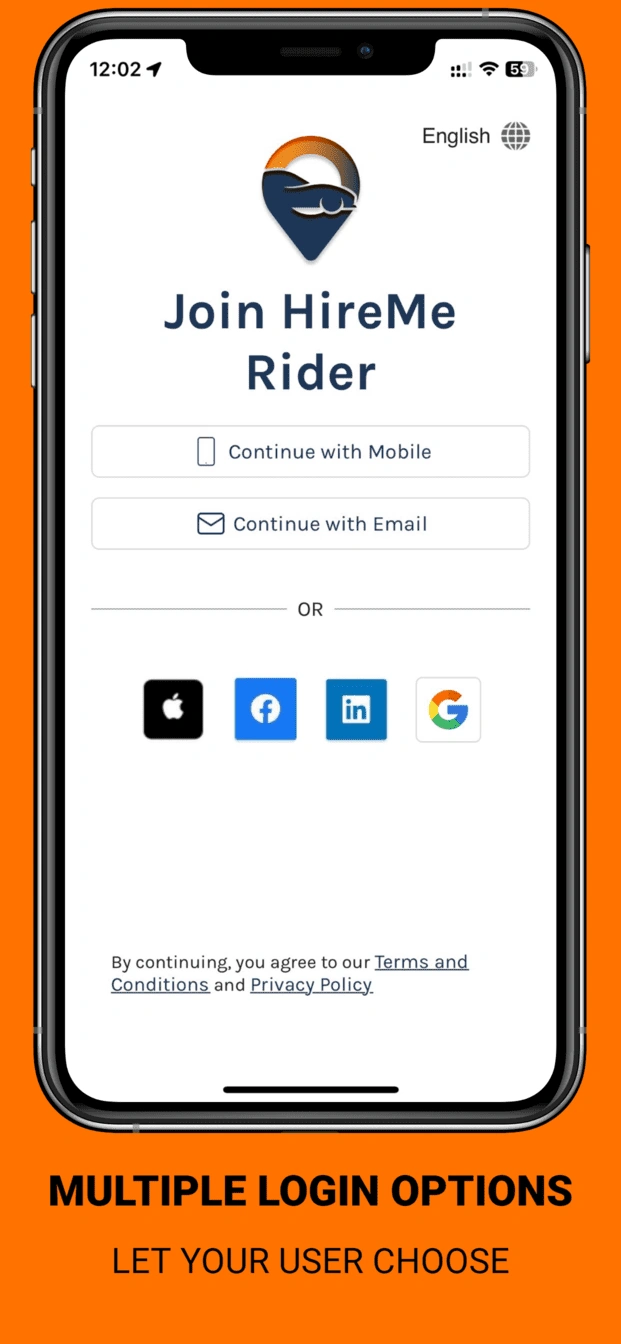
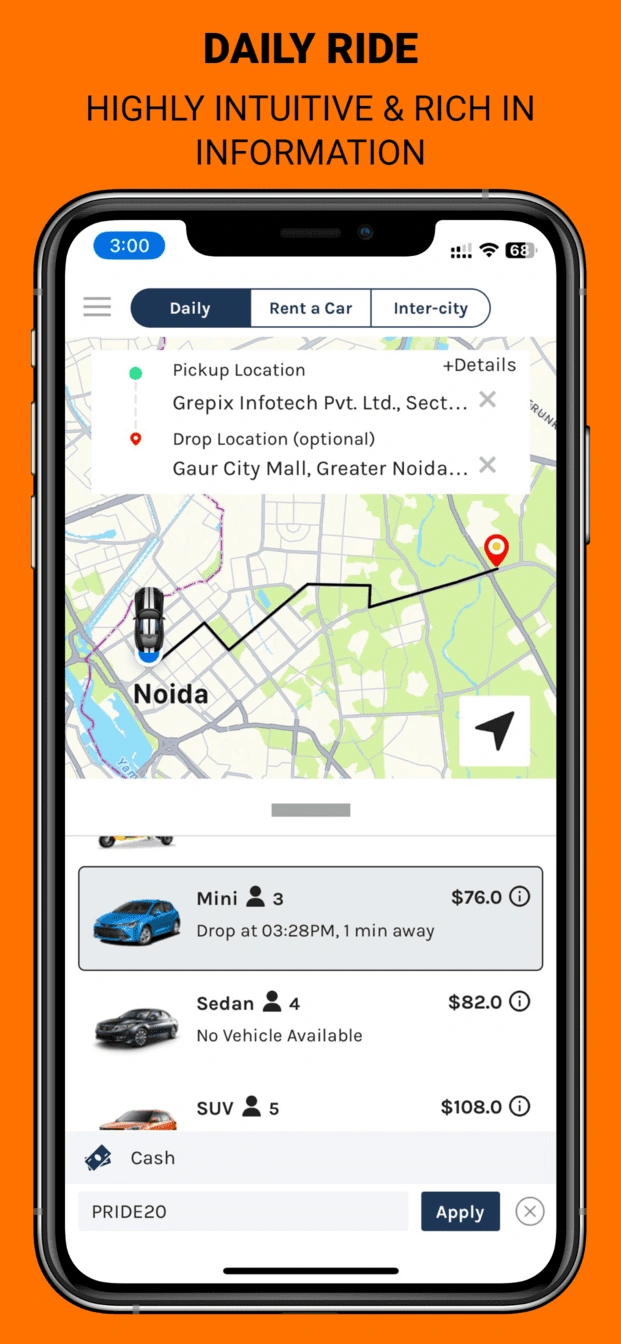
Booking, upfront fare, live tracking, in-app payments, trip history and support — on native Android and iOS.
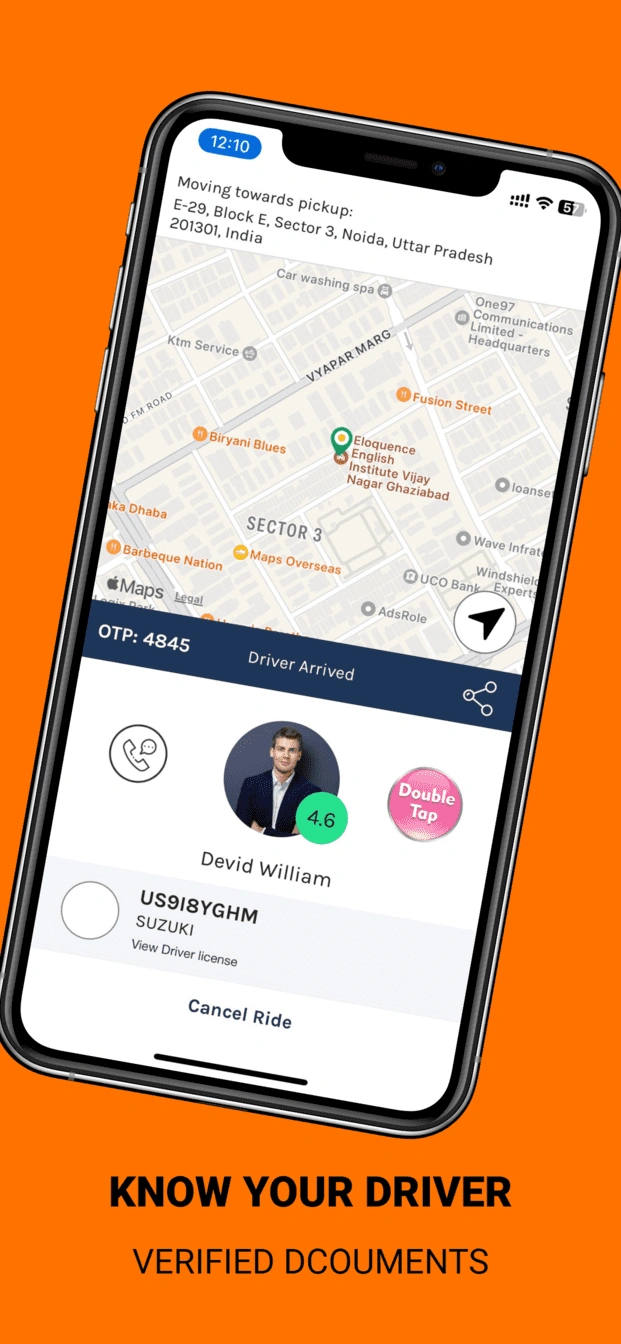
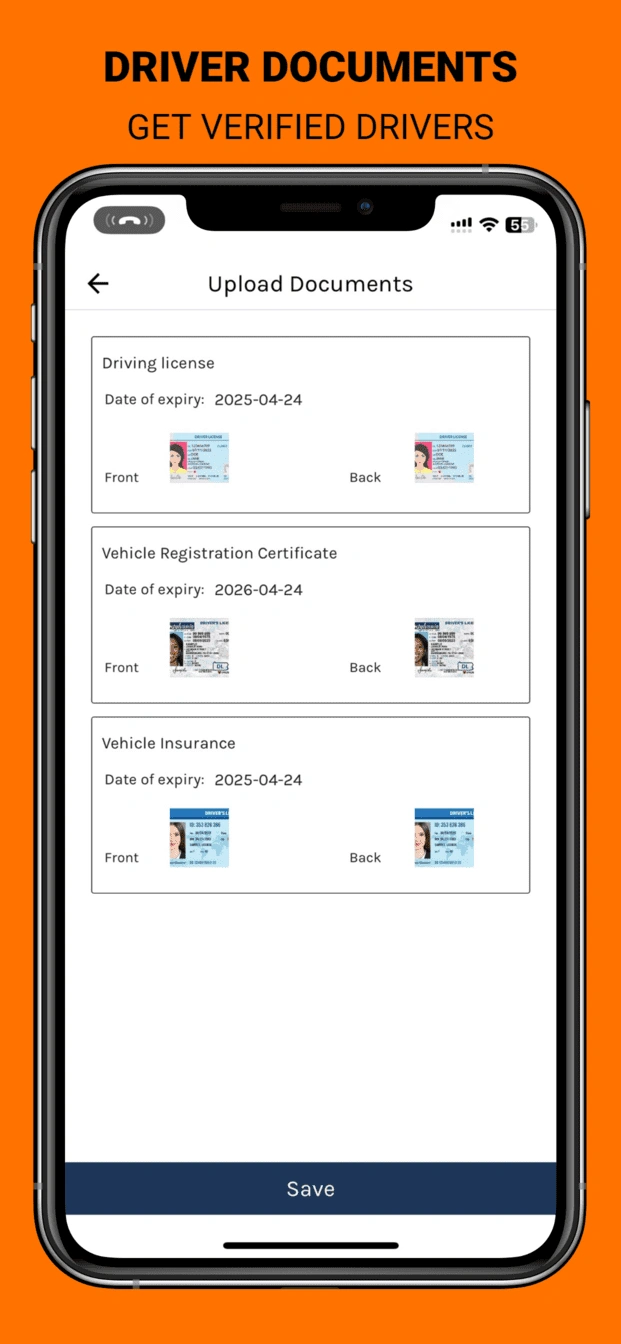
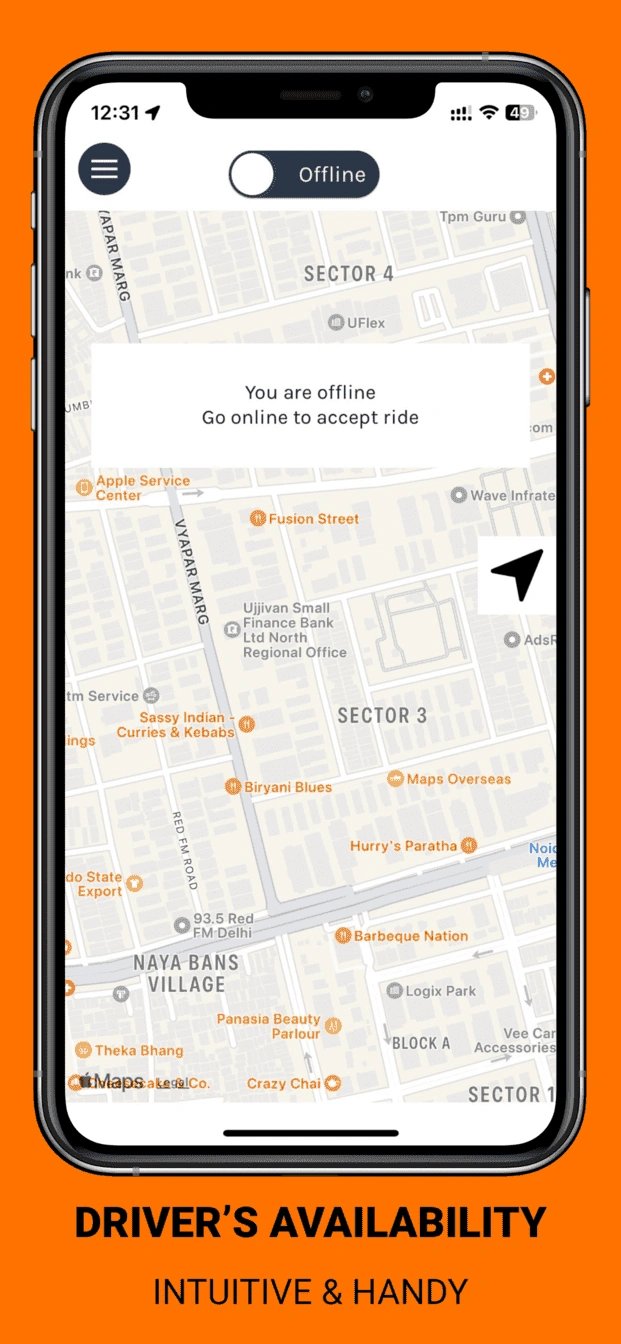
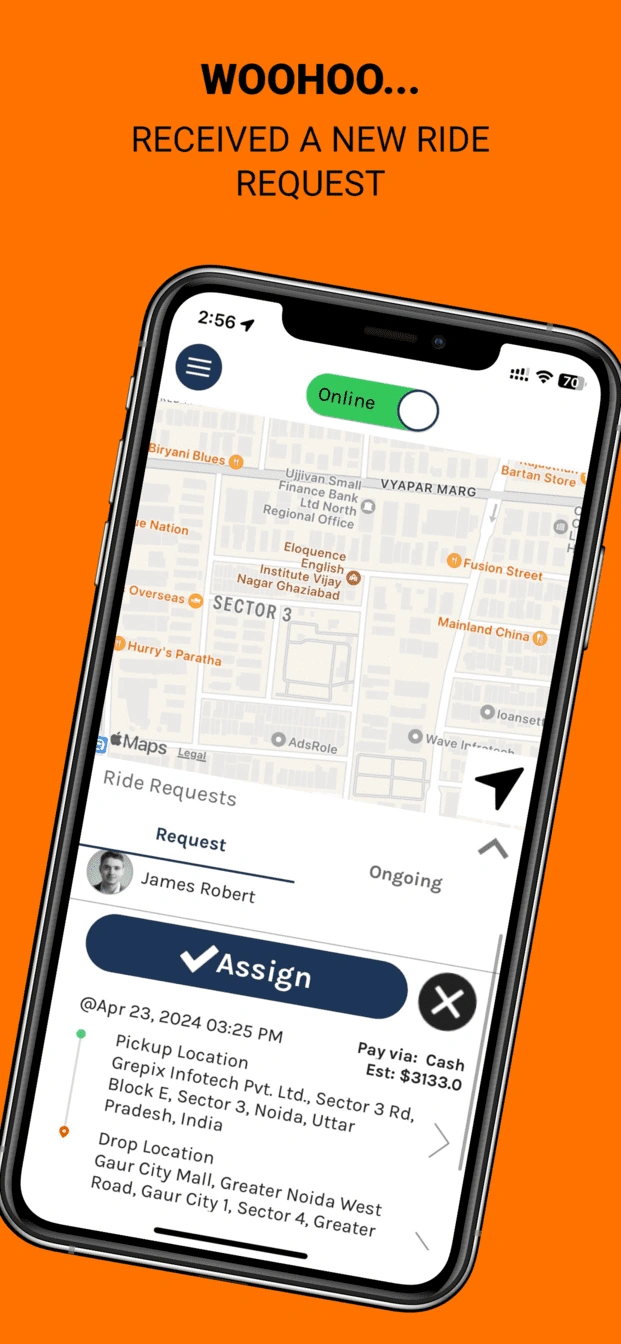
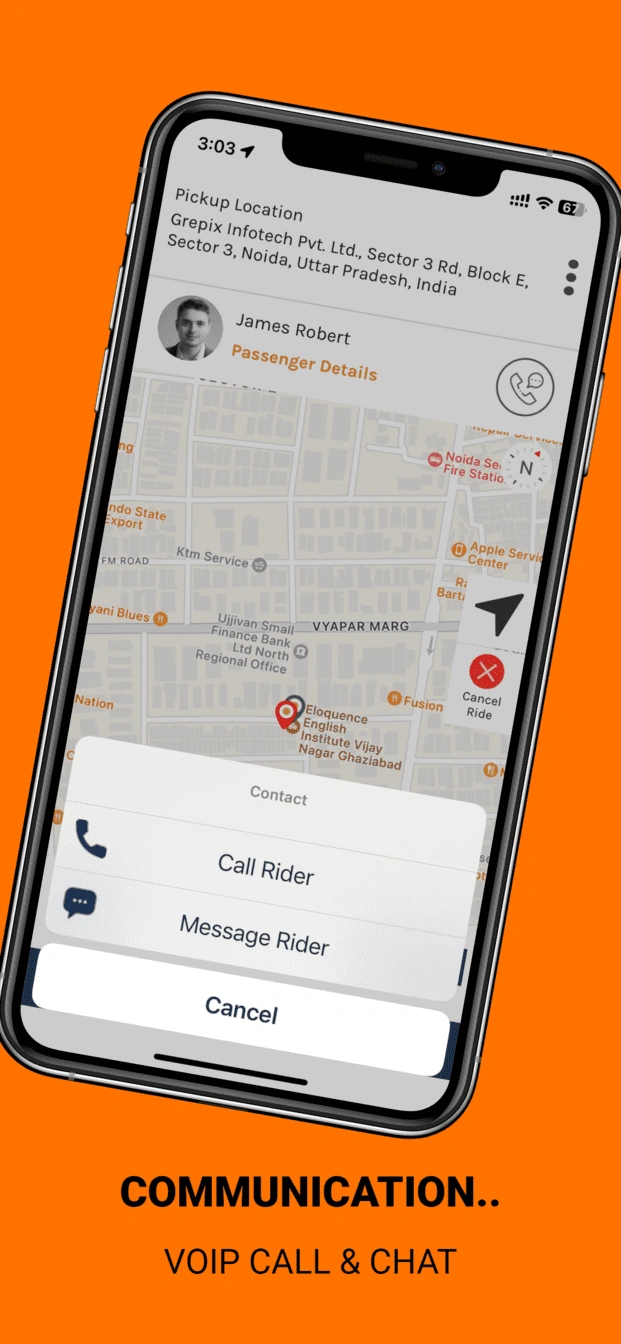
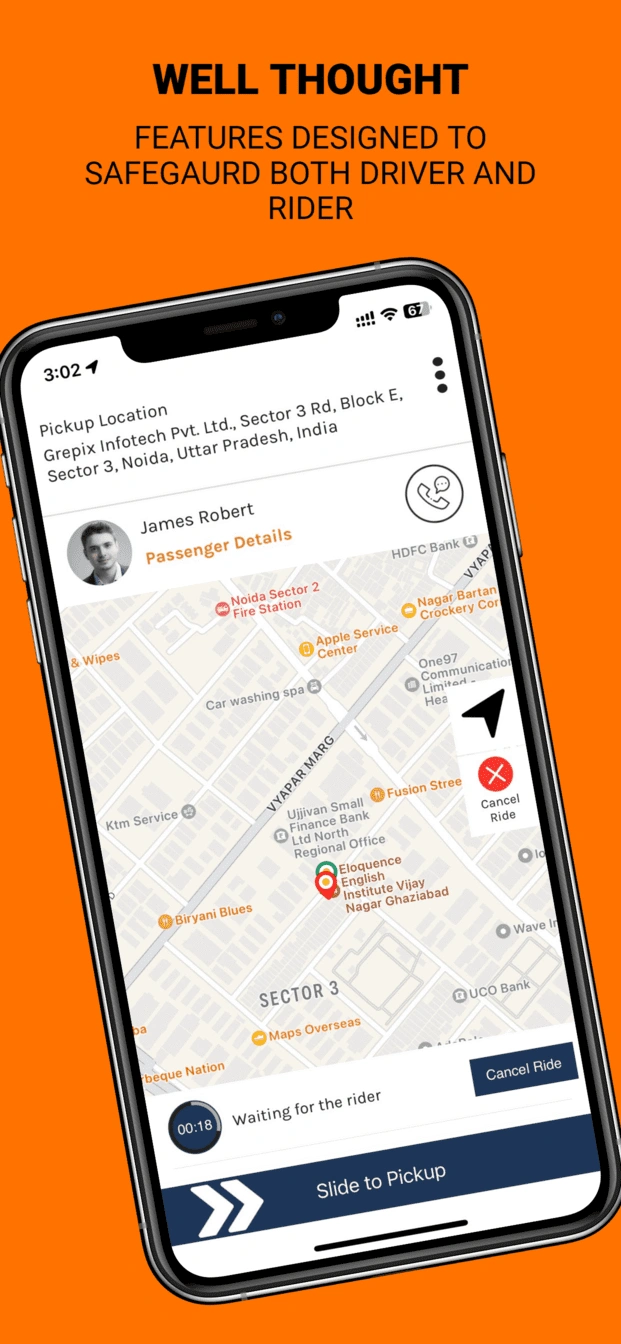
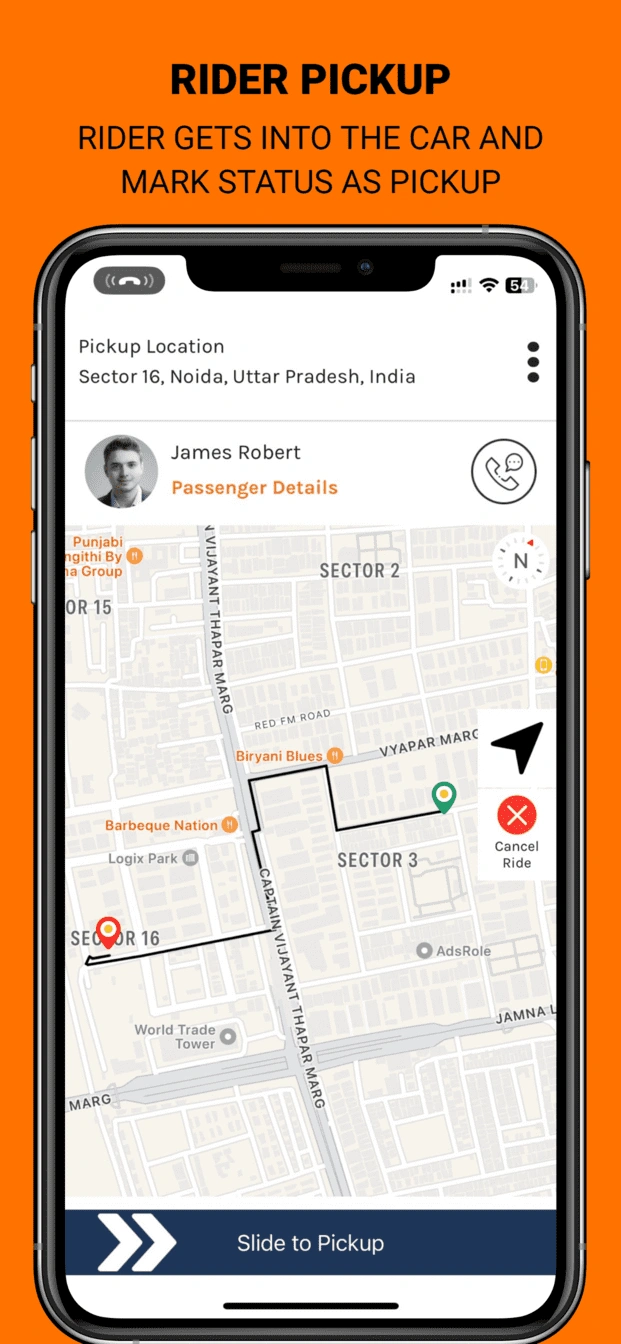
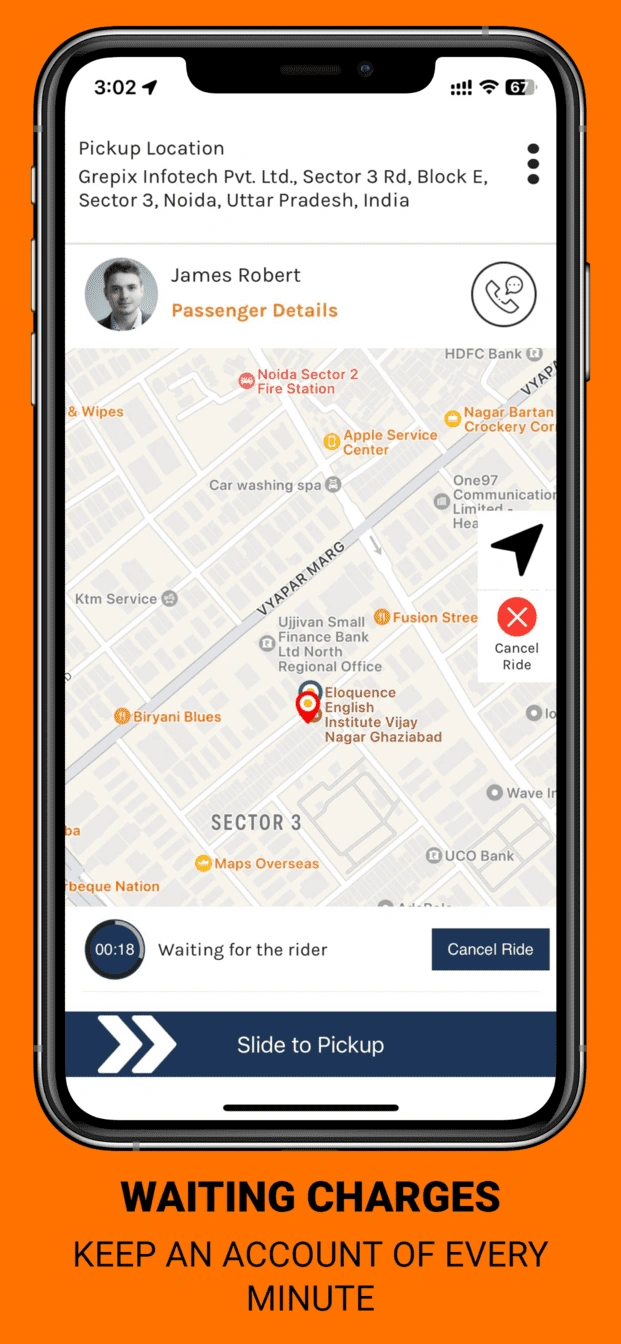
Ride requests, navigation, trip management, earnings and document upload, with KYC verification before a driver takes a first ride.
Drivers, riders, trips, wallets, commissions, promo codes and reports, managed from one dashboard across every city you operate in.
The honest answer depends on how unusual your business model is. Most operators do not need a rebuild; some genuinely do.
Right when your model is a recognised one — ride hailing, carpooling, corporate transport — and you want to be live quickly. The passenger app, driver app and admin panel already exist; branding, payment gateway, maps and app store submission are configured for you. Complete source code ownership is included, with no per-ride royalty.
Right when the way you price, match or settle rides has no equivalent in an existing product, or when you need integrations into systems you already run — HR platforms for employee transport, ERP, a specific dispatch or payment stack. Built as its own platform, with a dedicated team.
Carpooling is not ride hailing with a smaller car. The rider is joining a journey that was already happening, so the matching, the pricing and the trust model all work differently.
A rider is matched to journeys already going their way, on origin, destination and detour tolerance rather than on proximity alone.
Drivers publish how many seats are free; riders book a seat rather than the whole vehicle, and the trip runs whether it fills or not.
The same commute, the same days each week, without the rider re-booking every morning.
The fare is a contribution to the journey's cost split across the seats taken, not a metered commercial fare.
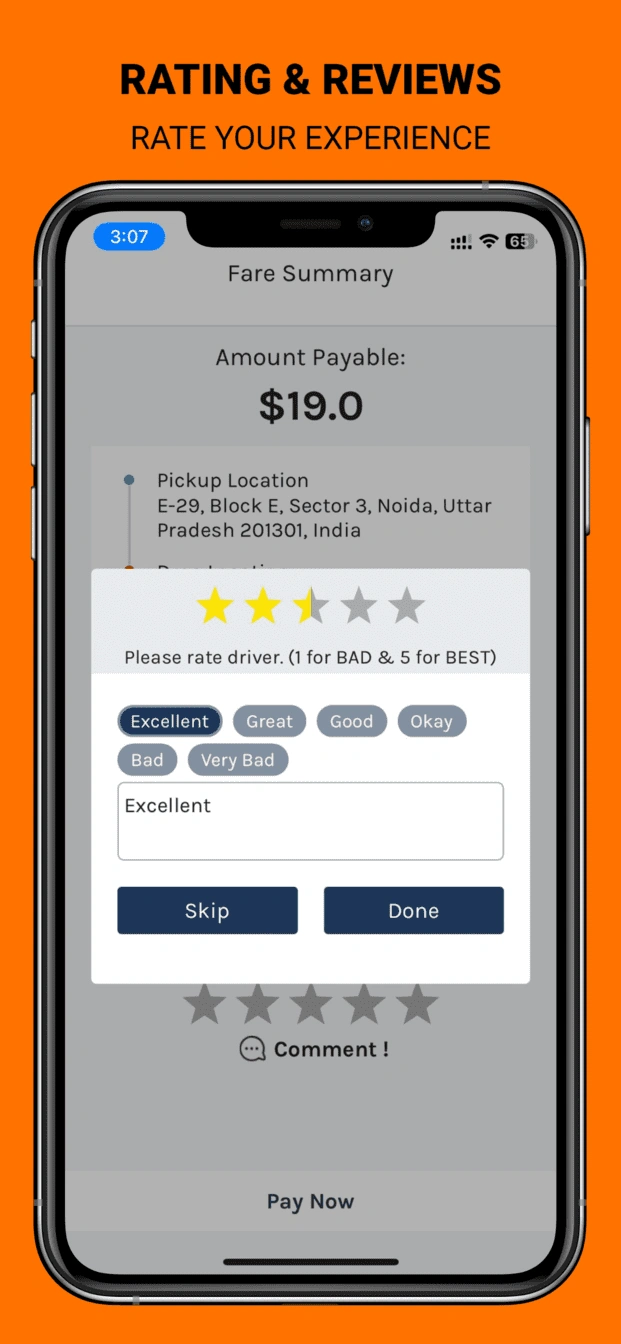
KYC on documents before anyone travels, plus two-way ratings — the trust question matters more when strangers share a car for an hour.
In-app payment or wallet, with the trip visible on a map to the rider and to anyone they share it with.
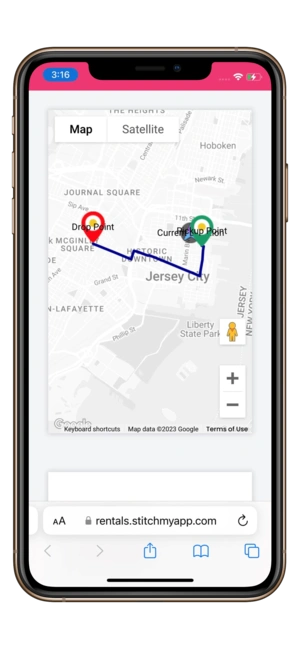
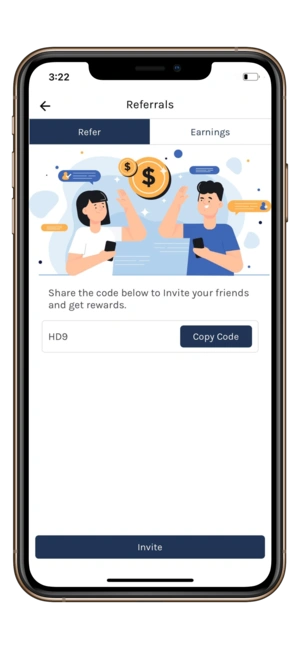
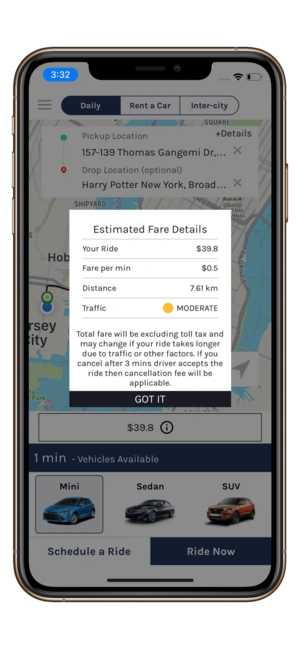
A feature-rich ride sharing passenger app provides seamless services to your customers.
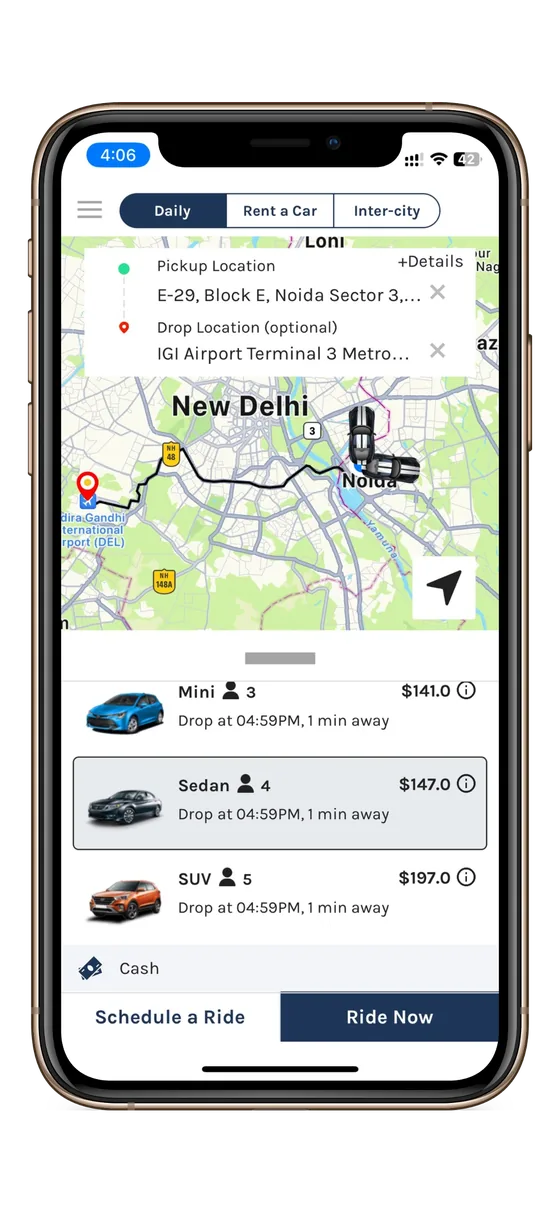
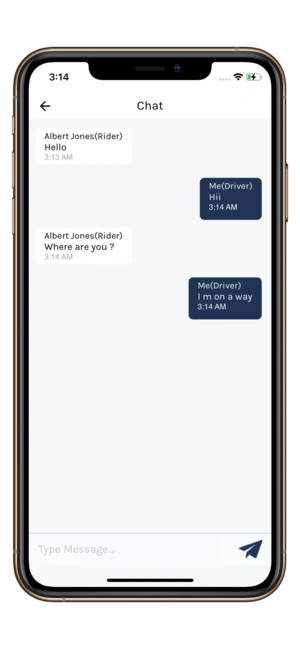
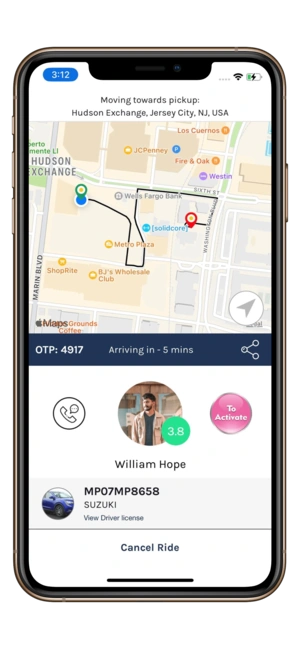
Ride sharing driver apps are equipped with all the features required to keep drivers happy and tied to the platform.
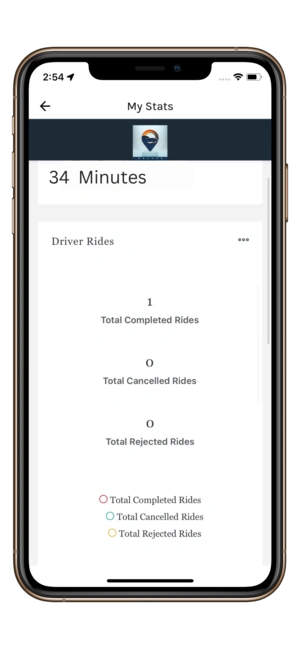
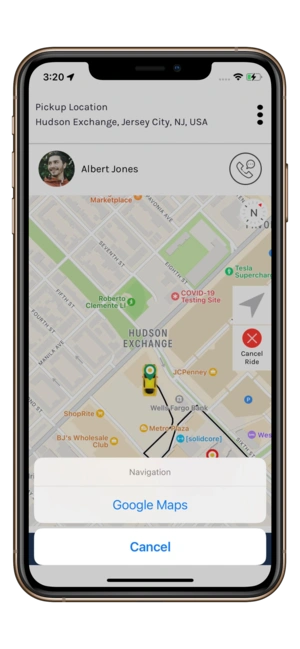
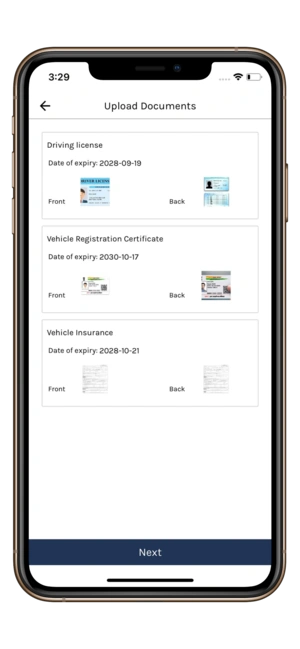
Admin can control driver's access on the platform, verify/block them, ask for more documents, see their performance, check their wallet status, documents, referrals, and so on.
User Manager provides full control over rider management. Admins can view user profiles, monitor booked/canceled/completed rides, and resolve customer issues directly from the dashboard. This ensures smooth and transparent rider operations.
Admin can see all transactions happening on the platform. Moreover, he can view the transaction details in depth, like taxes, commission, mode of payment, wallet transfers, etc.
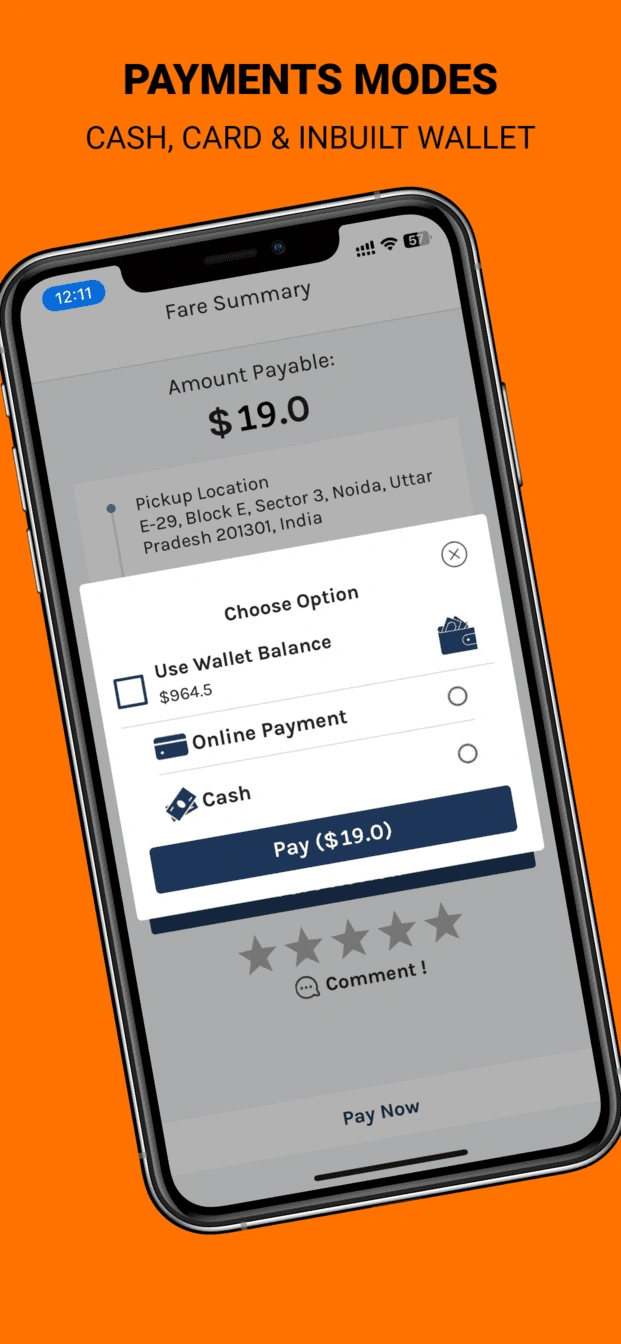
Our platform's core strength is an inbuilt wallet system, which makes us stand out from our competitors. Once you understand, you find it mandatory to run a business.
Admin can view rides ongoing, completed, canceled, missed, or rejected by the drivers on the runtime. Admin can also despatch rides from the admin panel.
Admin has given access to multiple reports, which helps them plan and strategize various activities to support and grow the business to a new level.
These are the places where automated decisions replace a dispatcher on the phone.
A request goes to the nearest available, eligible driver on live GPS position, vehicle category and availability — not to everyone at once.
Routes chosen to cut travel time and unnecessary detours, which matters most on shared and multi-stop trips.
Past trip data surfaces when and where demand builds, so driver supply can be planned rather than reacted to.
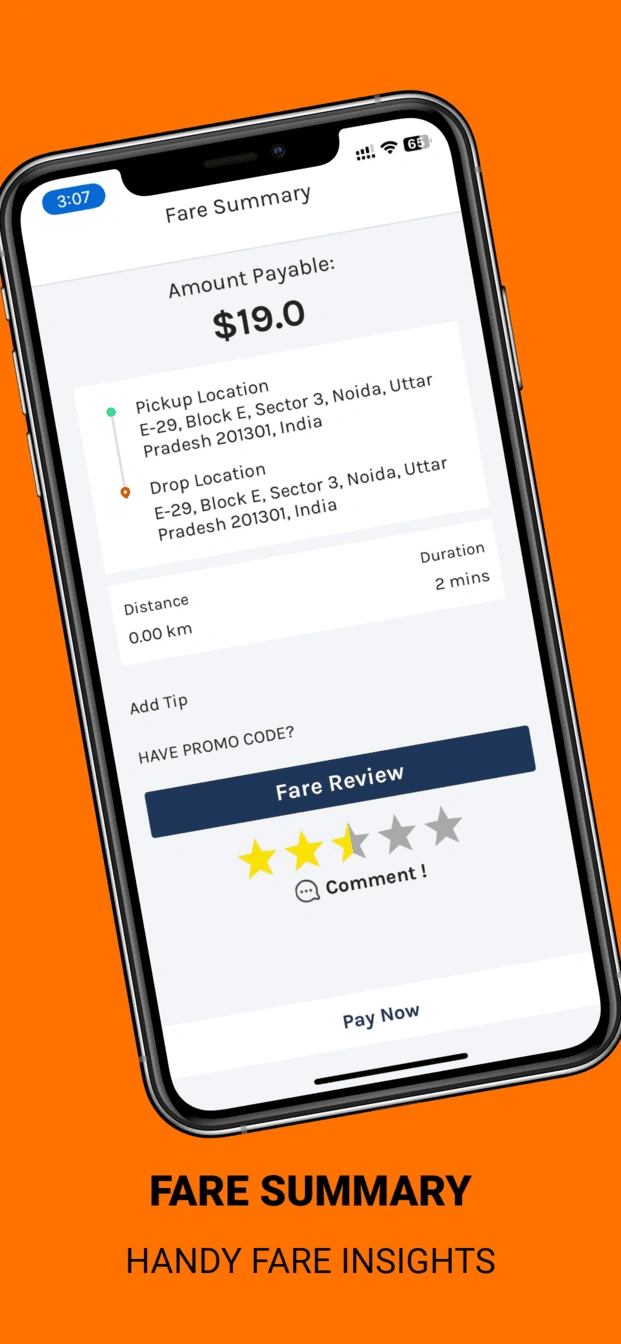
Fares configured by distance, time, zone and demand, with the rules staying under your control in the admin panel.
Ride Sharing apps are equipped with all the features required to keep Customers and drivers happy and tied to the platform.













The initial stage of the ride sharing app development process involves discussing your project.
After project discussion and providing an estimation, the next step is to sign a service level agreement.
To design a blueprint structure and wireframing each screen before designing the app.

We complete the coding part of the app, layout main sections and client feedback.
Testing the app, 100% bug-free and get final approval from the client.
Deploy to app stores and the client's server completed successfully, making the app available for users.
We have built this product after surveying 200+ taxi companies worldwide in the last five years! So stay ahead in the taxi industry with our unique development strategies.

Once the engagement is confirmed we install the platform on your server at no extra cost, and stay with it until you are live.

We will handle everything involved in submitting the app to the app stores and making it available for download. The finished product will be available to our customers LIVE on the market.

We strive relentlessly to ship products that meet or exceed expectations in both quality and reliability. If there is a serious problem with our product, we will happily fix it without charging.

We're available via email, WhatsApp, and Skype whenever you need us! All of our support services, whether technical, non-technical, or maintenance-related, are delivered promptly.

Complete source code ownership is included with every package, so you are free to change, extend or rebuild any part of the platform as your business requires.

You can count on our support even after the sale is finalized. We're prepared to take the rejection of our app in stride and work to improve it so that it meets the store's standards.

Ride sharing app development in Native apps.
iOS: Swift / ObjectiveC
Android: Java / Kotlin

For any third-party services, such as payment gateways, SMS gateways, server installations, and more, our expert staff will help you manage all the accounts.

We'll give you a ride sharing app that you can brand with your own name and logo at no cost.
For any business, it is crucial to understand how to generate revenue from a ride sharing business. In addition, the sustainability of a business depends on consistent income. So we're happy to tell you that our product is more flexible to adopt any of the following models.
Uber's commission model is the most widely used and trendy model to generate revenue. For example, a company can charge a percentage of the total ride cost. It can vary from 5% - 40%. In our product, the administrator can control the commission from the admin panel in real time.
Every company, including Uber, Ola, has implemented surge pricing. It's also referred to as dynamic pricing or time-based pricing. The company can strategize the model where the admin can control the price based on the current customer's demand. A company can also make it static by implementing time-based pricing.
Companies can charge a cancellation fee to generate profit from customers when they escape from pre-bookings. In our product, the company can set or control the cancellation fee from the admin panel in real time.
Subscription is another trendy model for Ridesharing or taxi apps. Companies can charge a fixed fee based on the number of rides or periods. These days, drivers prefer a subscription model as it saves money and caps a fee for a period.
The best way to manage the pricing structure for Taxi apps is commission + subscription. To retain the drivers and to keep them happy, Taxi companies can offer them a choice where they can decide on their own whether they want to pay the subscription fee or are happy to pay the commission on the rides they will complete.
According to Fortune Business Insights, the global mobile advertising market is projected to grow from $96.46 billion in 2021 to $782.12 billion in 2028 at a CAGR of 34.8% in the forecast period. Companies can also generate profits by putting ads inside the mobile applications. We have a ready module to manage the ads at runtime in the apps and runtime reports.
Any business that moves people and wants the platform in its own name.
Entering a market with a branded platform instead of listing on someone else's app.
Existing fleets moving off phone dispatch onto their own booking app. Our taxi app development work covers this in depth.
Companies running employee transport who need scheduled routes and trip reporting they can audit.
Campuses and residential communities running shared transport for a known, verified group of members.
Long-distance shared travel between cities, sold by the seat and booked in advance.
Programmes where shared rides are one part of a wider transport picture, alongside our on-demand app platform.
There is no single number, and any company that gives you one before asking about your model is guessing. The cost moves with the business model, the feature set, how many platforms you ship, which integrations you need and how much is customised.
The lowest cost and the fastest route: an existing platform branded and configured for you, rather than written from scratch.
Costs more and takes longer, and is the right answer when your pricing, matching or settlement logic has no equivalent in an existing product.
Multi-city operations, deeper analytics and integration into systems you already run — scoped per organisation.

The future of ride-sharing is poised to be shaped by several transformative trends, reflecting advancements in technology and shifts in societal attitudes towards mobility. One of the most anticipated developments is the integration of autonomous vehicles into ride-sharing fleets. This innovation promises to revolutionize the industry by enhancing efficiency, reducing costs, and potentially improving safety by minimizing human error. Alongside this, the push towards sustainability is accelerating the adoption of electric vehicles (EVs) in ride-sharing services, aiming to reduce the carbon footprint and meet increasing regulatory and consumer demands for environmentally friendly transportation options.
Artificial Intelligence (AI) and Machine Learning (ML) are set to play pivotal roles in optimizing ride-sharing operations, from dynamic pricing and route optimization to personalized user experiences and predictive maintenance for vehicles. Furthermore, the incorporation of blockchain technology could introduce new levels of transparency, security, and trust in transactions, potentially streamlining payments and fostering user confidence.
Multimodal transportation integration represents another significant trend, where ride-sharing apps offer a seamless combination of various transport modes, such as bikes, scooters, and public transit, within a single platform. This approach not only enhances user convenience but also supports urban sustainability goals by encouraging diverse mobility options. Together, these trends herald a future where ride-sharing becomes more autonomous, sustainable, intelligent, and integrated, reshaping urban mobility landscapes worldwide.
What startups ask us most often before launching an app like Ride Sharing App.
The Ride Sharing App package begins at $5,999 USD. Launching on more platforms, reworking features or adding third-party services changes the total, and we quote each of those separately.
A white-label deployment is normally live in about two weeks from onboarding. That covers your branding, iOS and Android app store submission, payment gateway integration, driver app setup, admin panel configuration and QA testing. A custom build takes longer and is scoped per project.
Yes. Riders, drivers and your operations team only ever see your brand — your name, your logo, your colours and your app store listing. There is no Grepix branding anywhere in the apps.
Yes. Fare rules, vehicle categories, commission structure, service zones and ride types are all configurable, and anything beyond configuration can be built. If your pricing, matching or settlement logic has no equivalent in an existing product, a custom build is the right route.
Yes. Carpooling needs route matching, seat-level booking, recurring rides and cost sharing rather than metered fares, and those work differently from ride hailing. See our BlaBlaCar clone solution for that model.
Yes, all three ship together: a passenger app and a driver app on native Android and iOS, and a web admin panel for drivers, riders, trips, wallets, commissions, promo codes and reporting.
Yes. Scheduled routes, employee onboarding and trip reporting make it suitable for organisations paying for their staff's commute, as well as for campuses and residential communities running transport for verified members.
Yes. Multi-city and multi-region operation runs from one master admin panel, with separate operational zones, fare rules, vehicle categories and driver pools defined per city.
Yes. This is not a SaaS subscription. Complete source code ownership is included with every package, with no ongoing licence fees and no per-ride royalties, leaving you free to host, modify and scale the platform on your own terms.
Credit and debit cards, UPI, digital wallets, net banking and cash are all supported, along with an in-app wallet for pre-loaded credit. The exact gateways and mapping provider depend on your region and are confirmed during scoping.
The passenger app, driver app and admin panel are documented question by question on our taxi app development FAQ page - over 150 answers covering bookings, fares, payments, driver management and admin controls.