14+
GLORIOUS YEARS




GLORIOUS YEARS
PROJECTS DONE
HAPPY CLIENTS
DEVELOPERS
As people become more aware of environmental problems such as pollution and the greenhouse effect, they seek sustainable solutions in their daily lives. Ride-sharing offers a practical way to contribute to environmental conservation. Embracing this eco-conscious trend can be a wise business decision.Microtransit provides a crucial advantage of flexibility, making it a versatile solution for various situations, like filling first- and last-mile gaps or extending transit access to underserved communities. This adaptability is an appealing idea for city leaders and transit professionals. Yet, we acknowledge that some city officials might not be extensively involved in transit design, and transit agency officials might be cautious about overburdening their teams with a new service mode.
The VIA App is essential for city or regional leadership as it brings expertise to your area and specializes in initiating and running microtransit services. Through collaboration, they can tackle the challenges you encounter: you outline the problem, and collectively, they will handle the solution.







Tap into the increasing public enthusiasm for eco-friendly transportation by creating a ride-sharing app. Choosing to develop an app similar to VIA with services like Via clone app development can set the stage for a successful launch. These apps advocate for carpools and shuttles, playing a vital part in curbing traffic congestion and emissions through shared rides. This approach not only resonates with the public's environmental priorities but can also propel your business to new heights in the ever-changing transportation scene.
Our VIA Clone App mirrors the sophisticated features and user-friendly interface of the original VIA platform, providing a strong solution for ride-sharing businesses. It incorporates an intelligent matchmaking algorithm that effectively connects riders with the best routes and fellow passengers, improving route efficiency and cutting down travel time. The app also includes dynamic routing capabilities, enabling users to modify routes in real time according to traffic conditions and rider requests. Users enjoy a straightforward interface, streamlining the processes of booking rides, tracking vehicles, and managing accounts.
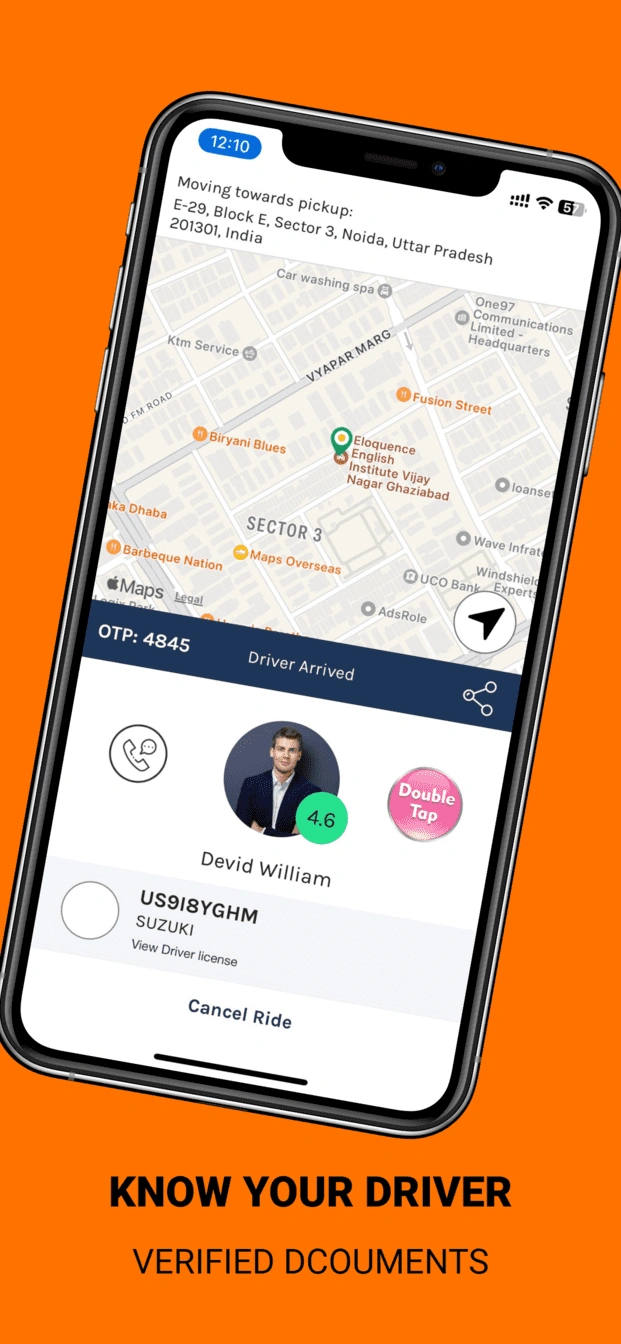
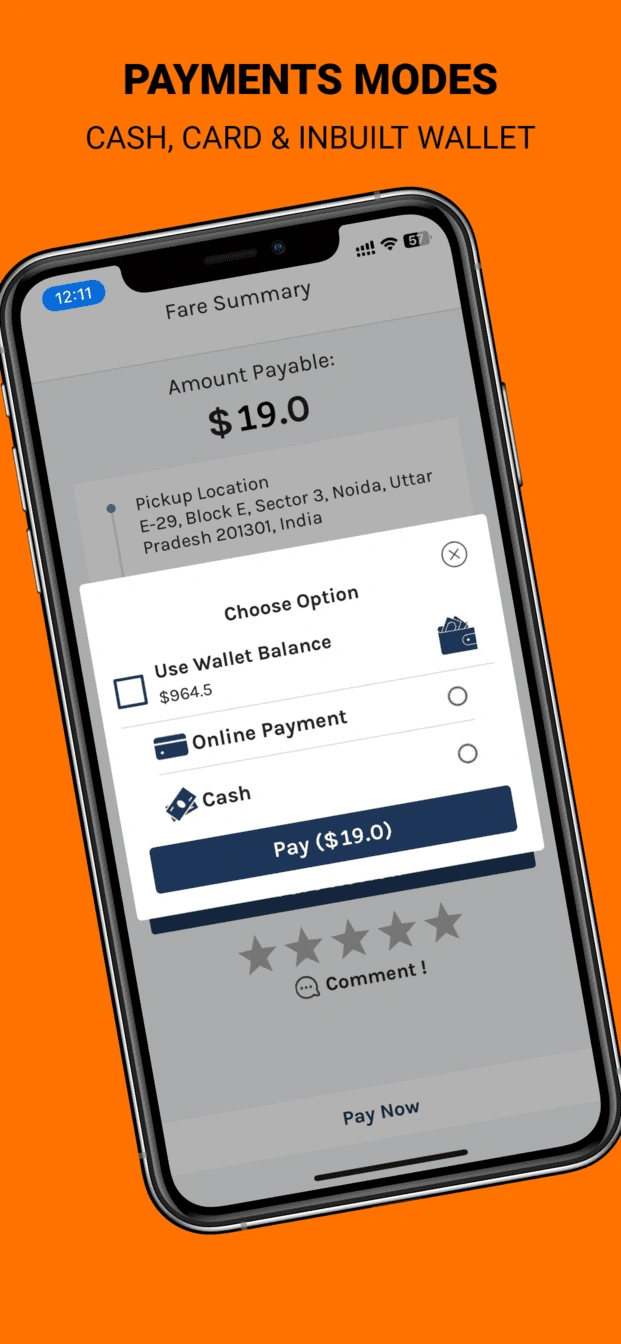
The app offers flexibility in payments, supporting various methods like credit/debit cards, digital wallets, and in-app payments. Users stay updated about their trip status with real-time tracking and updates at every stage. For operators, the app provides comprehensive tools for managing drivers and vehicles, ensuring regulatory compliance and efficient fleet operation. Safety is a top priority, with features such as SOS buttons, ride tracking, and driver verification ensuring a secure and reliable experience for all users. Whether you're ready to implement and just need the right software or seeking a partner to guide you from conception to execution, Via Clone is here to assist at every step.
Choosing a VIA clone as your starting point lets you focus your energy on branding and local operations instead of app architecture. Operators look to VIA because its interface keeps things simple for both new riders and first-time drivers, without extra steps getting in the way. The time you'd otherwise spend building booking, tracking, and payment systems from scratch is instead spent getting your first drivers on the road and your first riders booked.
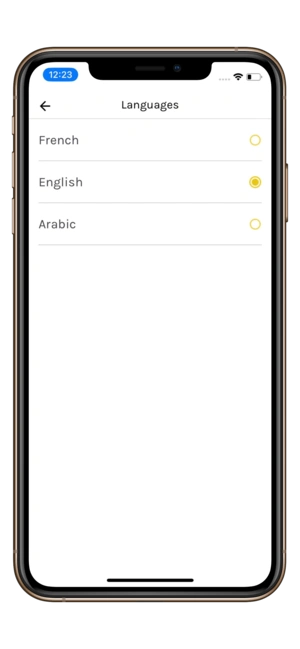
To differentiate the new service in a competitive market, customization is key. Tailoring the VIA clone to meet local demands, preferences, and regulations can create a unique user experience that stands out. This could involve integrating local languages, adapting to regional payment methods, or even offering specialized services that cater to the specific needs of the community.
In addition to customization, focusing on robust marketing strategies is crucial for success. Building a strong brand presence, engaging in community outreach, and leveraging social media platforms can help in attracting and retaining a wide customer base. Providing exceptional customer service, ensuring the safety and comfort of passengers, and maintaining a professional and well-trained driver fleet will further enhance the service's reputation.
Lastly, staying abreast of technological advancements and consumer trends is vital. Incorporating innovative features such as AI-powered route optimization, eco-friendly vehicle options, or in-app value-added services can provide a competitive edge and appeal to a tech-savvy audience.
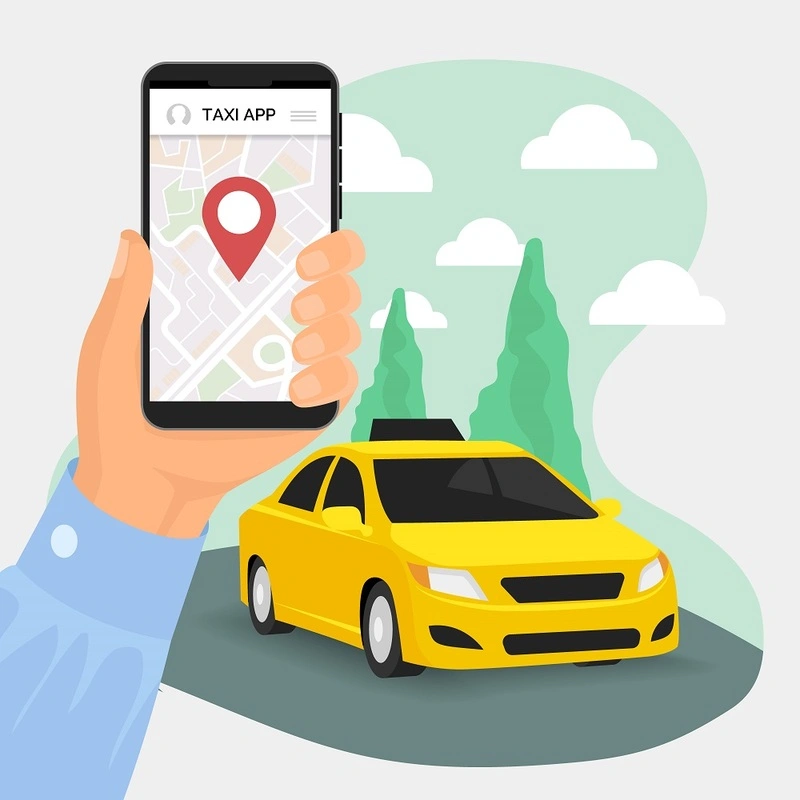
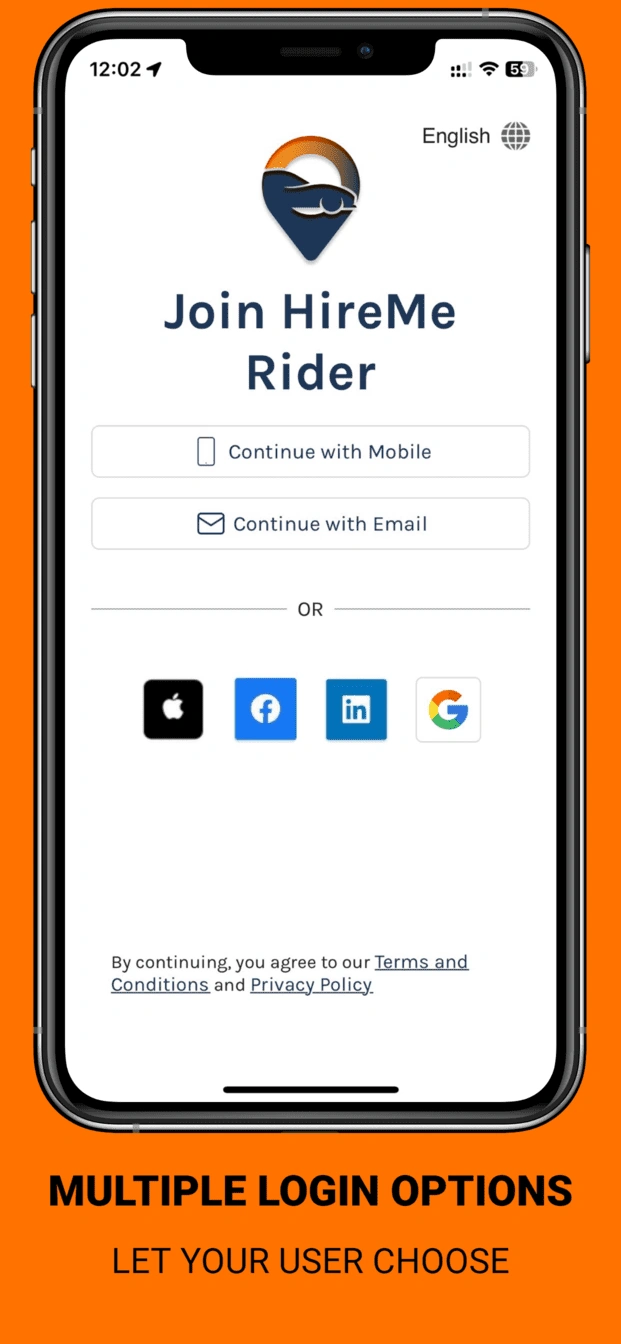
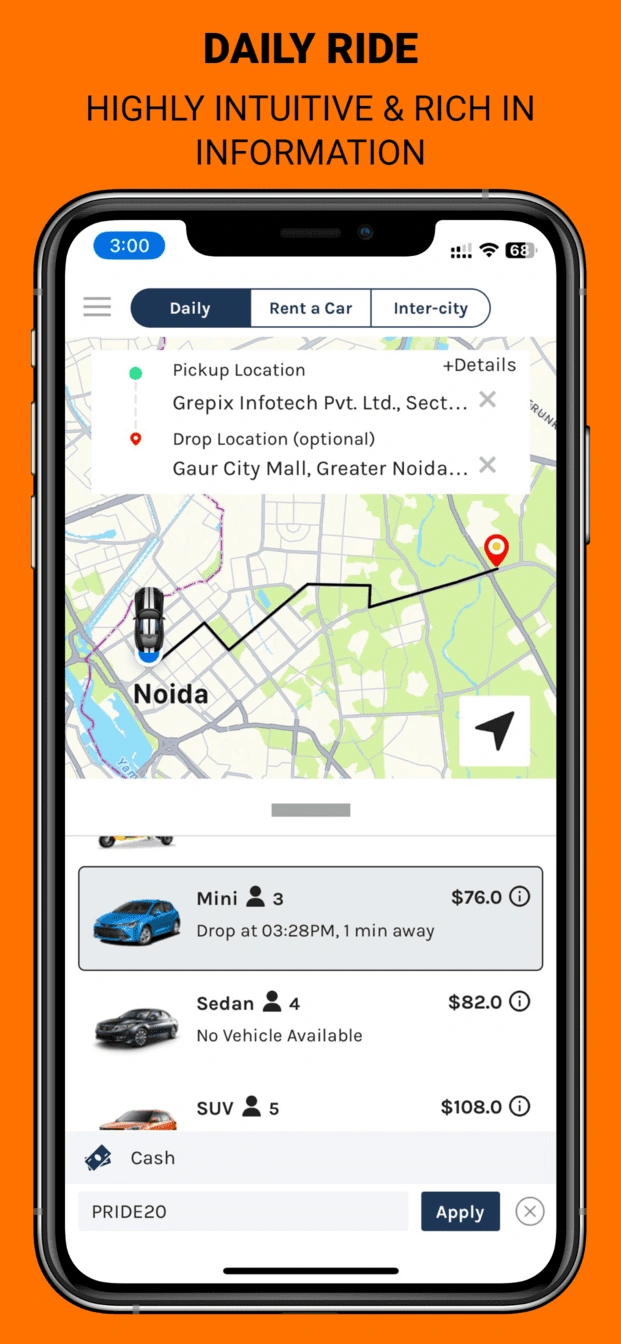
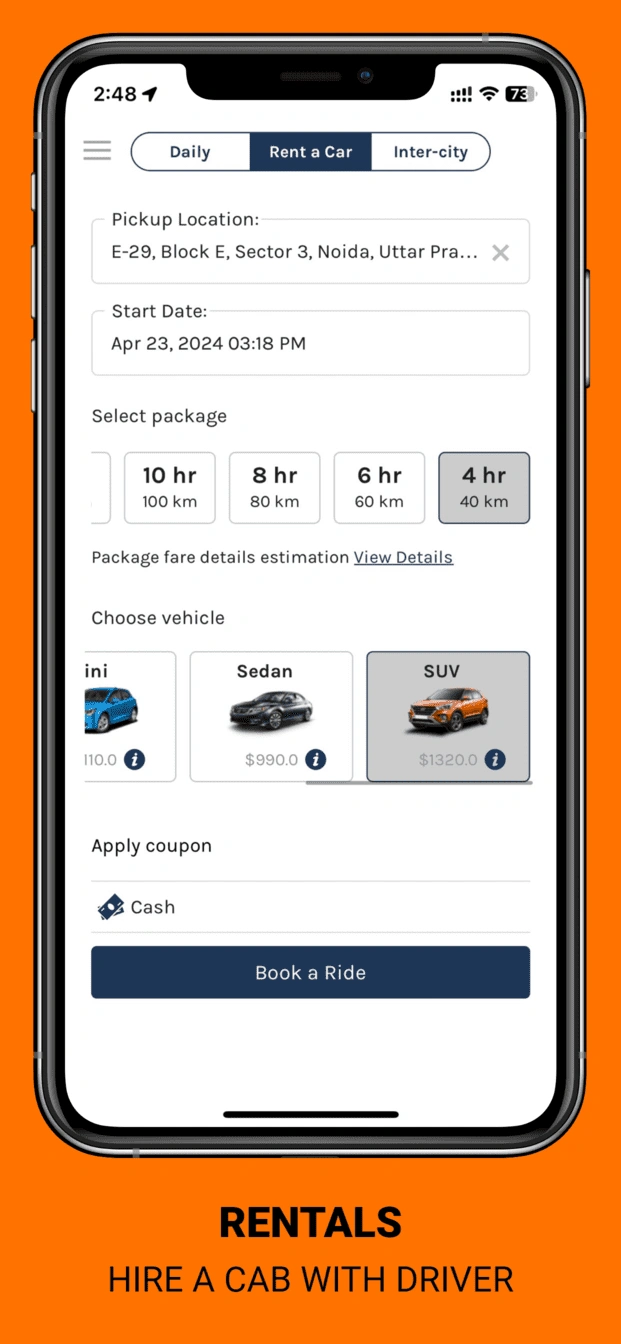
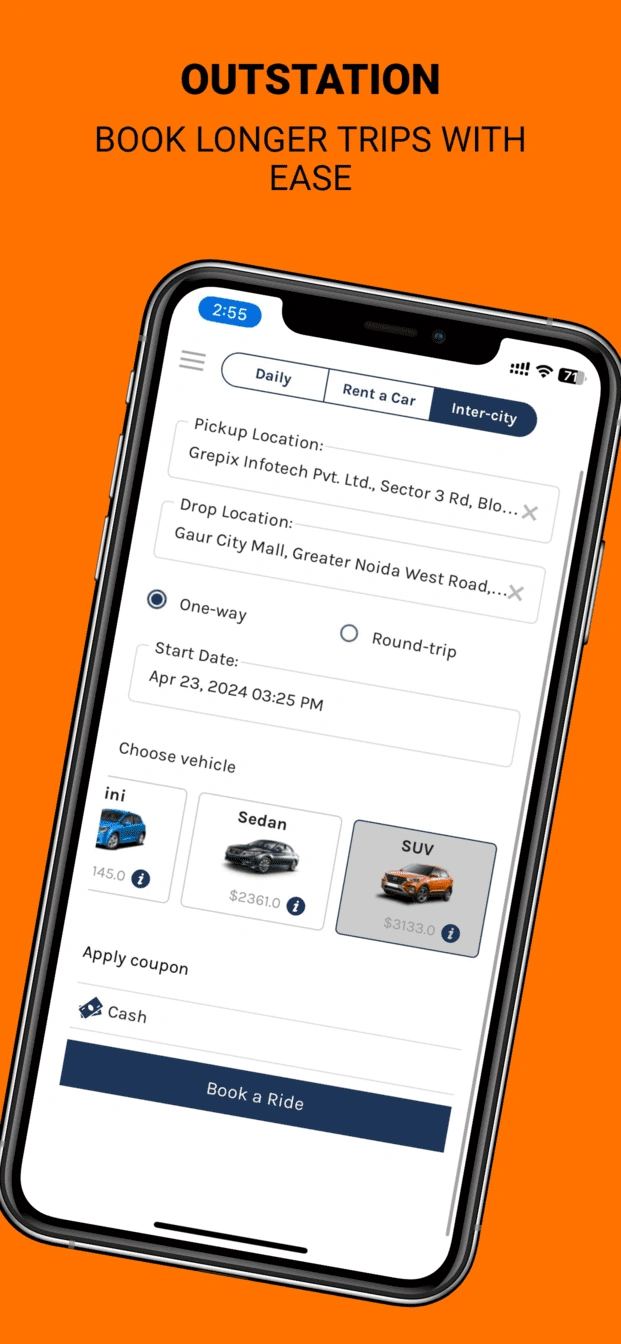
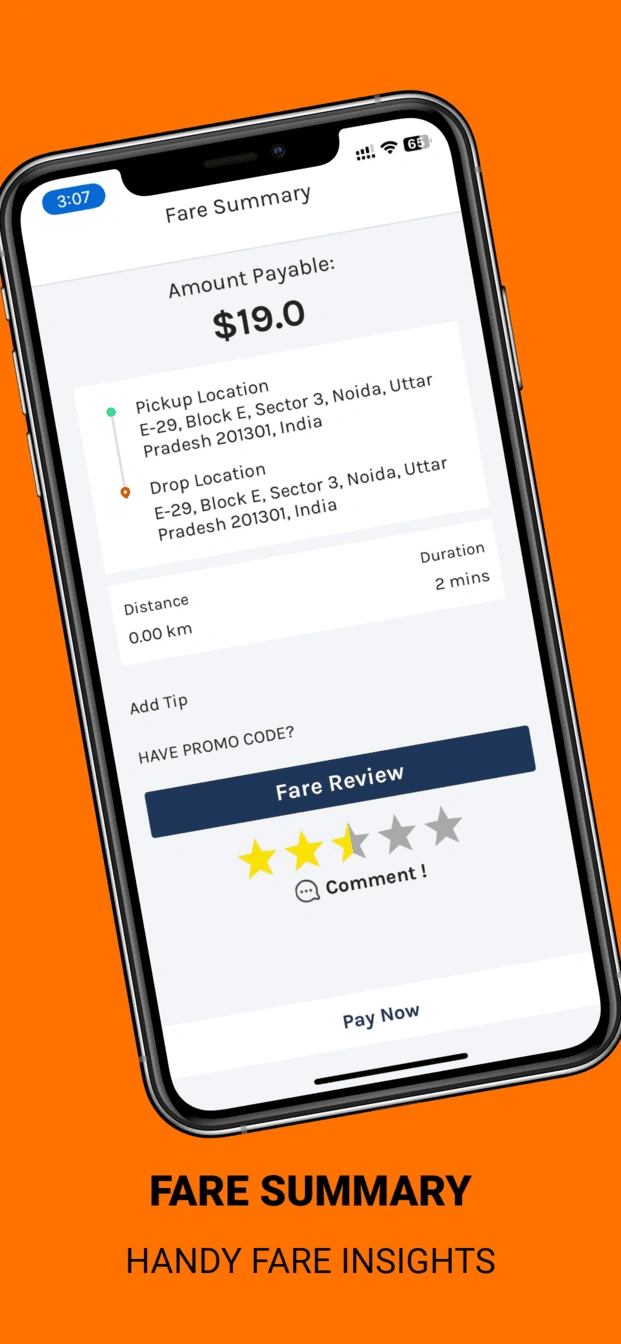
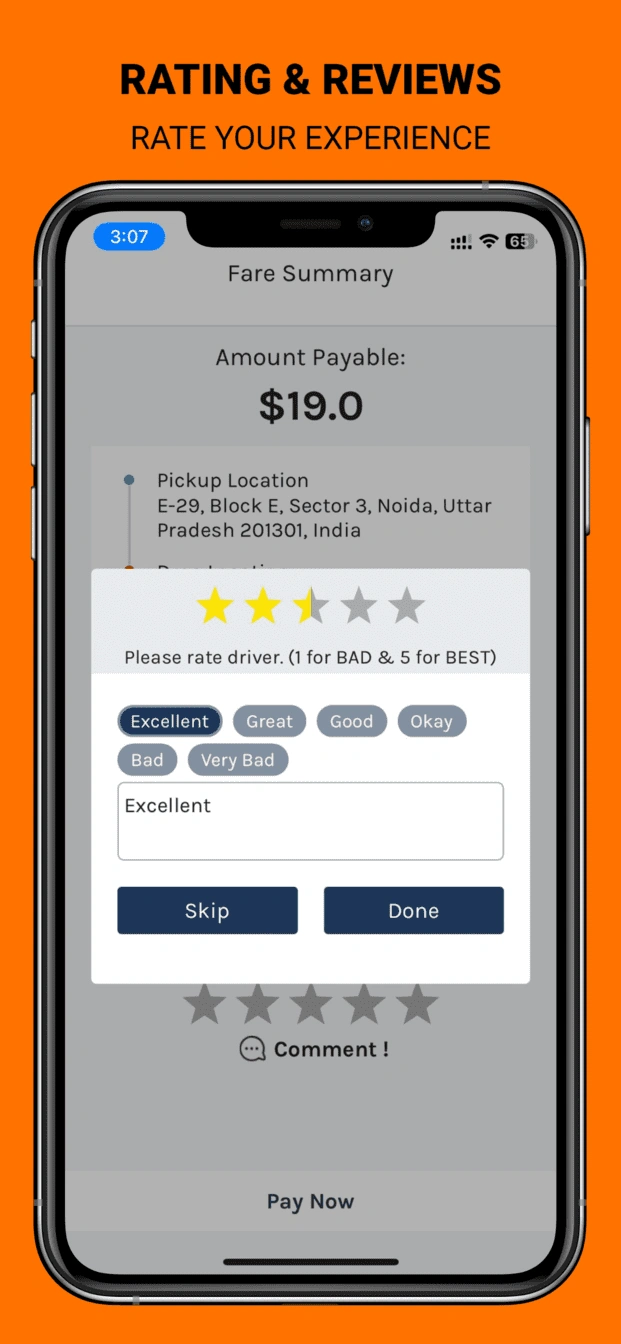
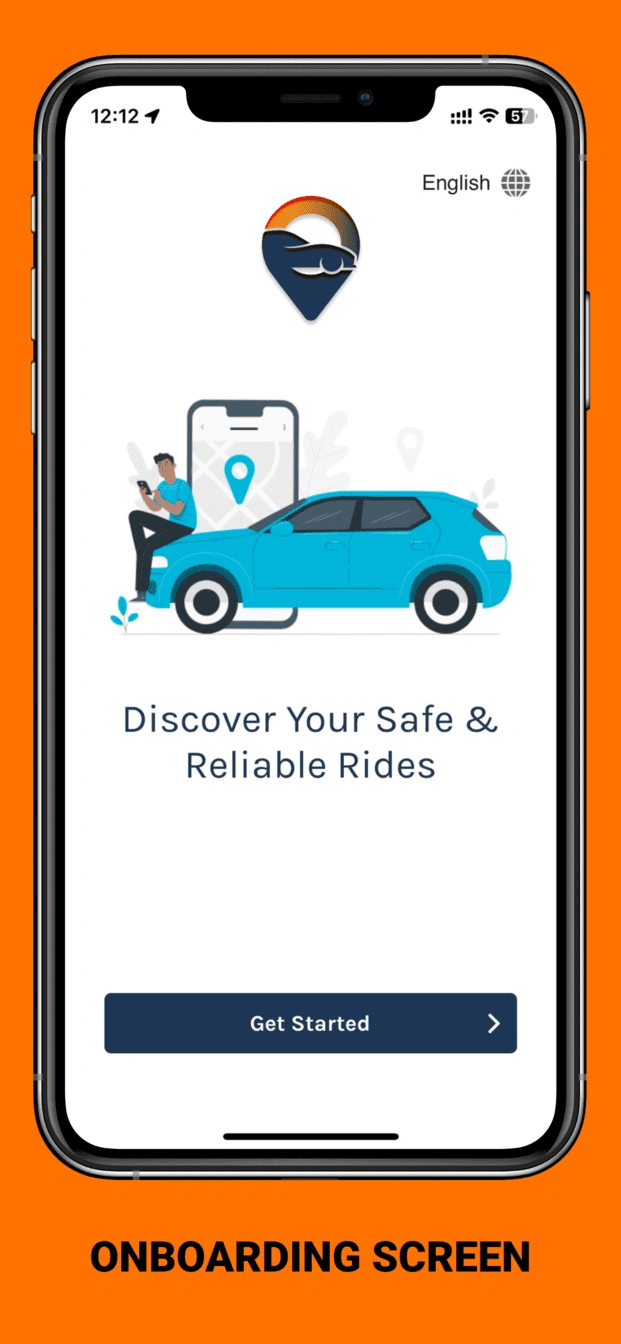
A feature-rich VIA clone passenger app provides seamless services to your customers.
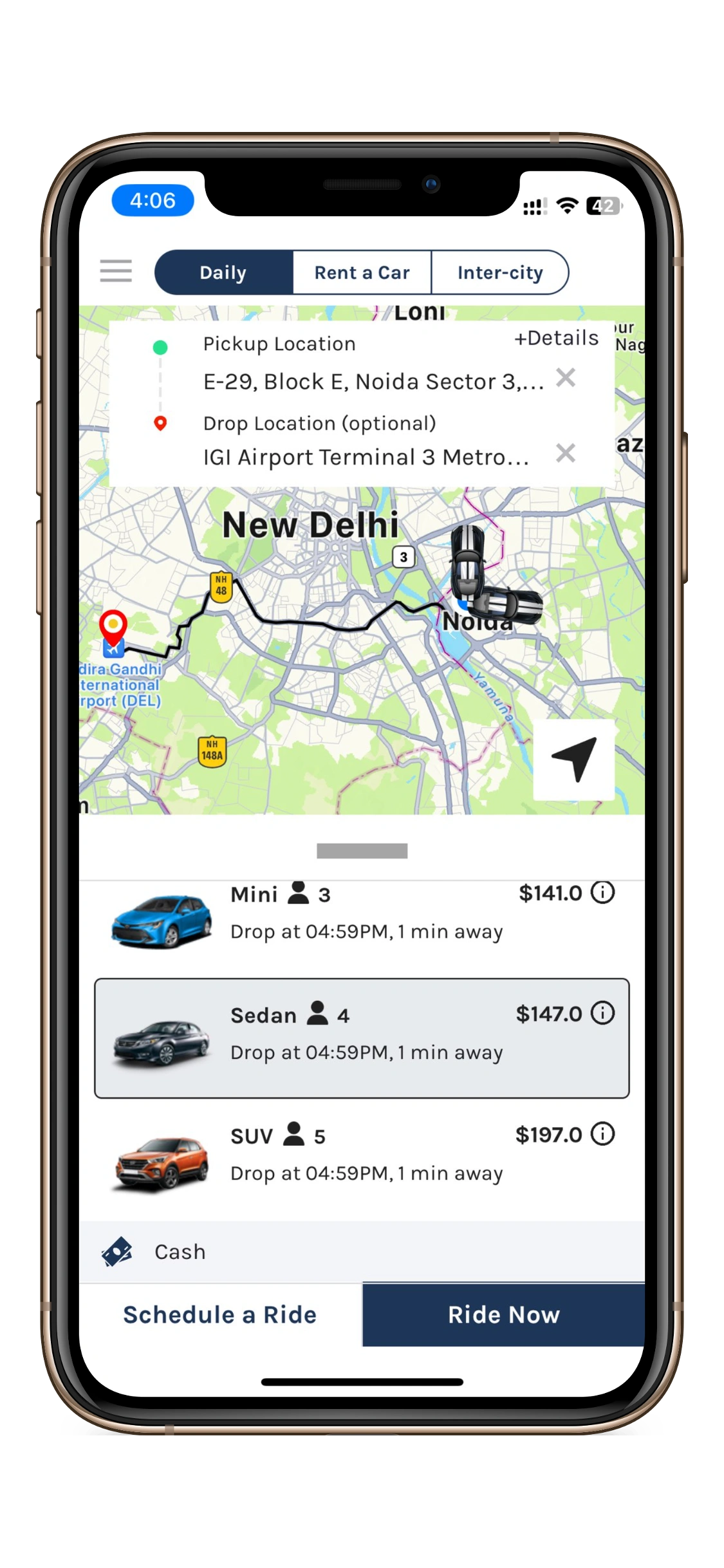
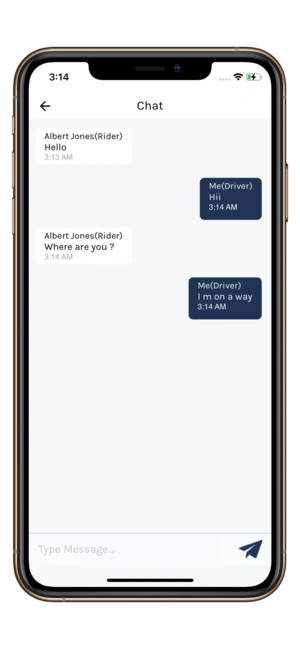
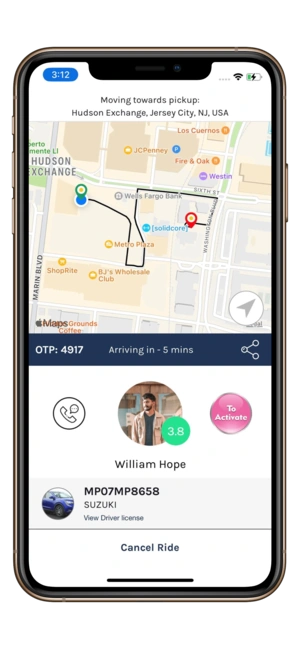
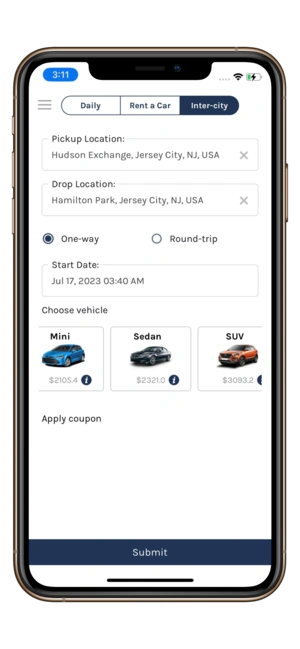
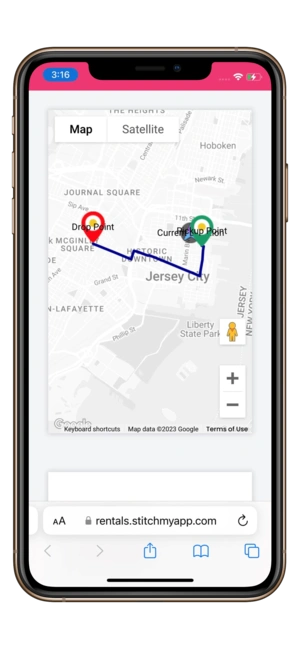
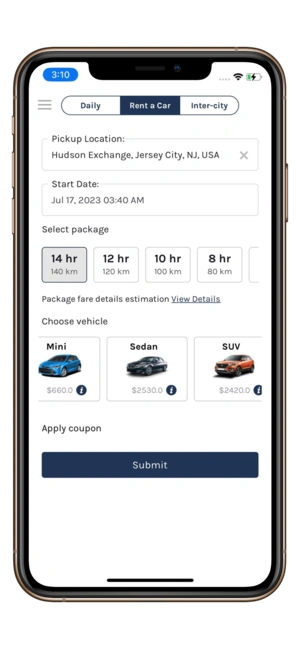
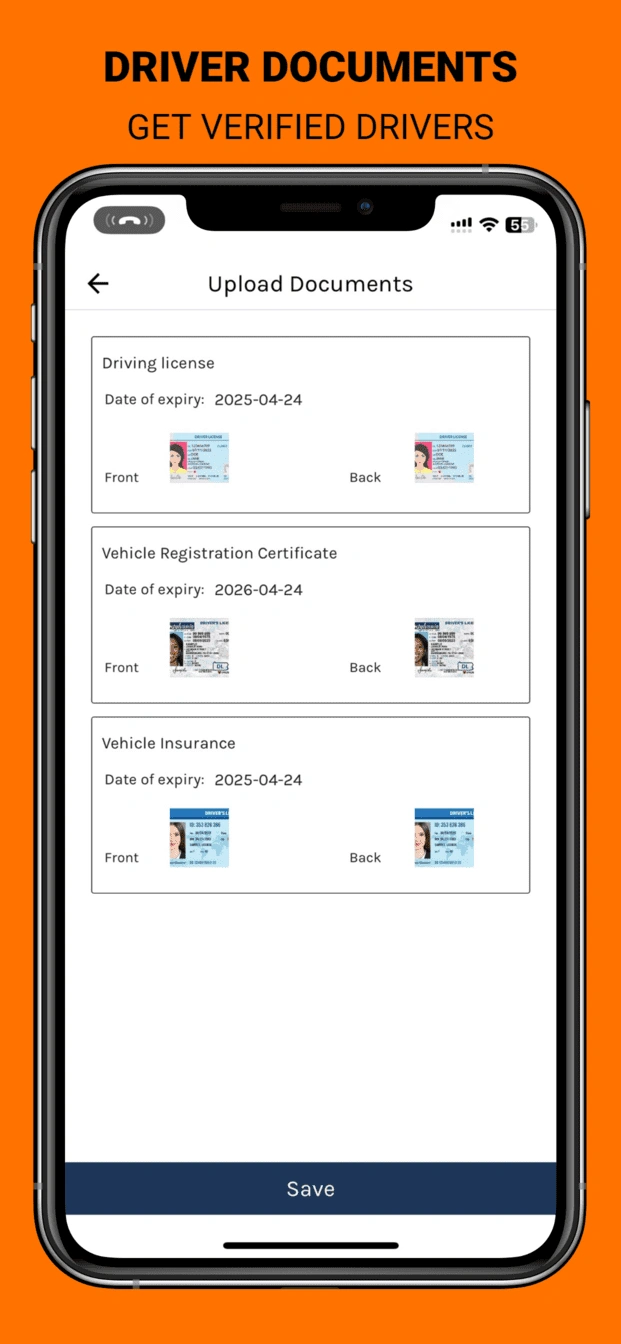
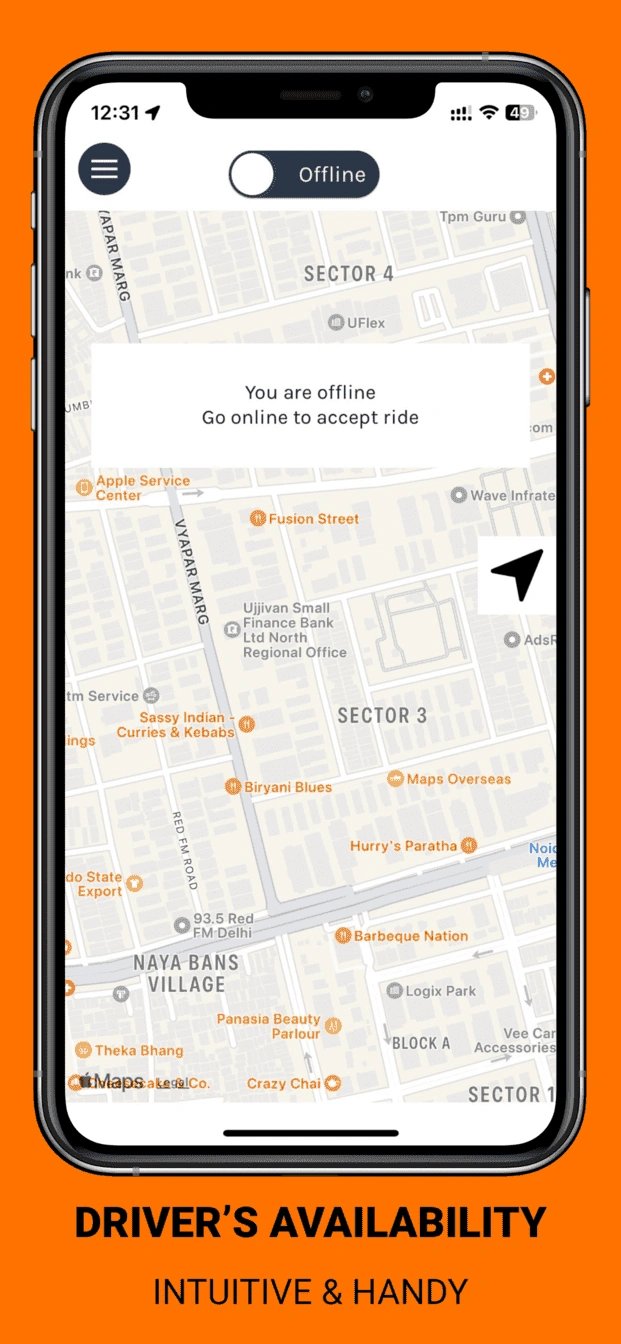
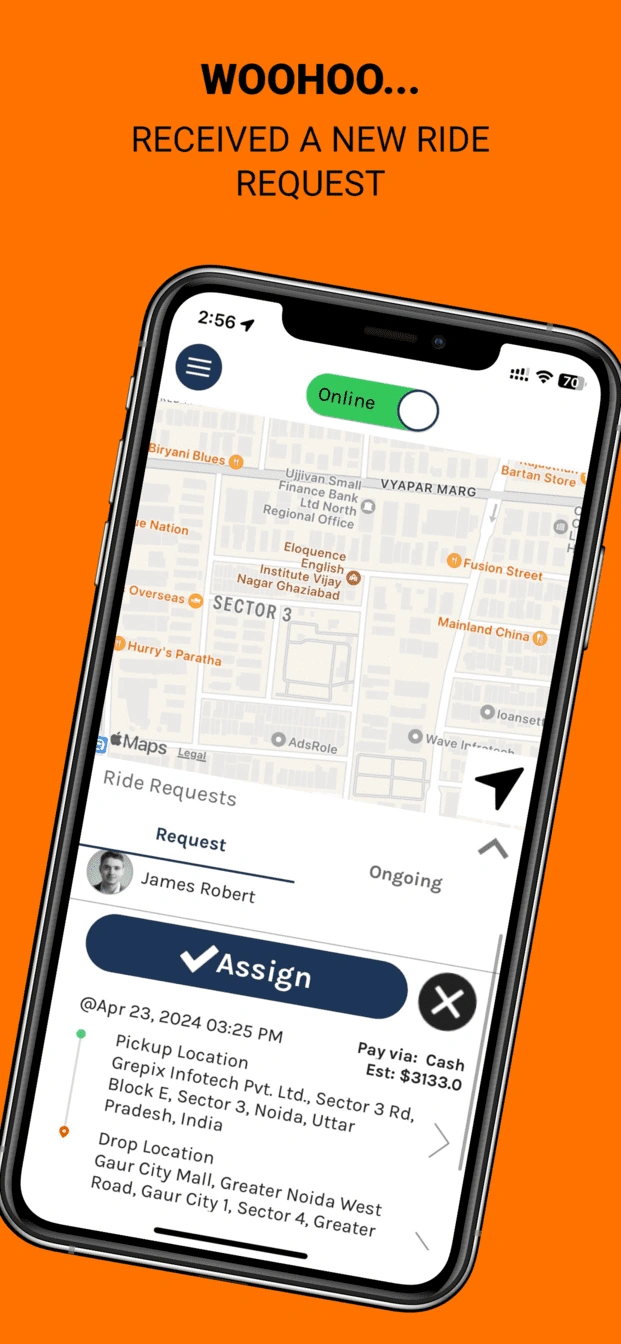
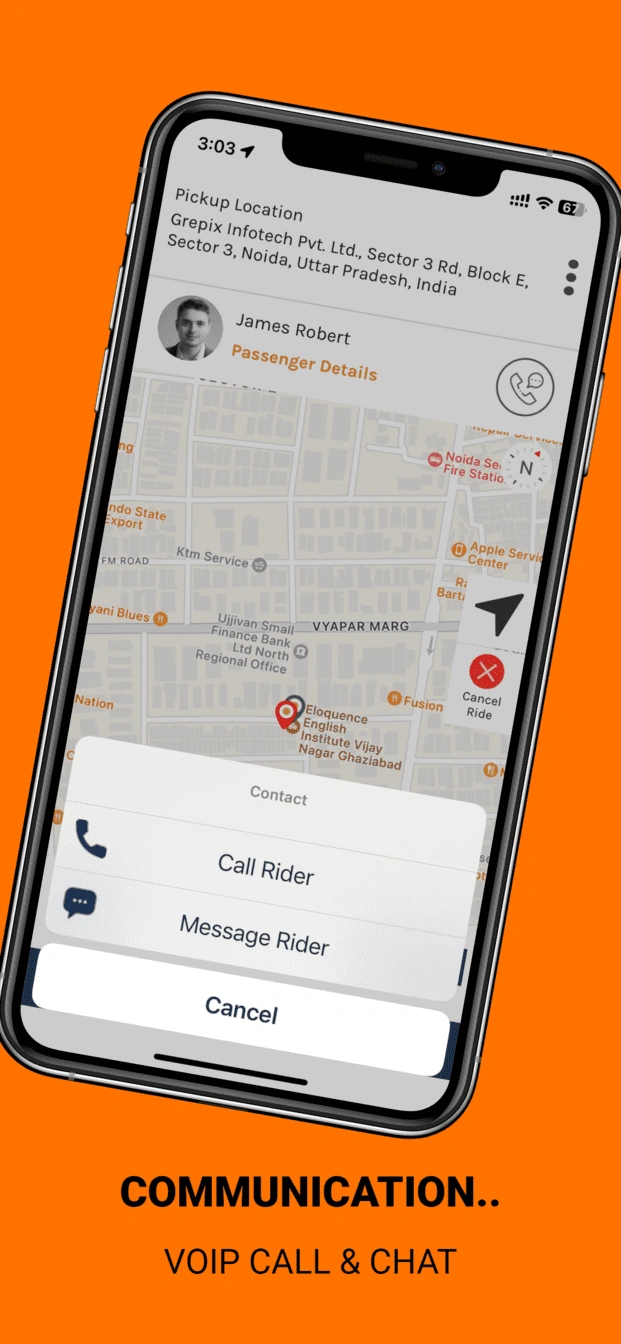
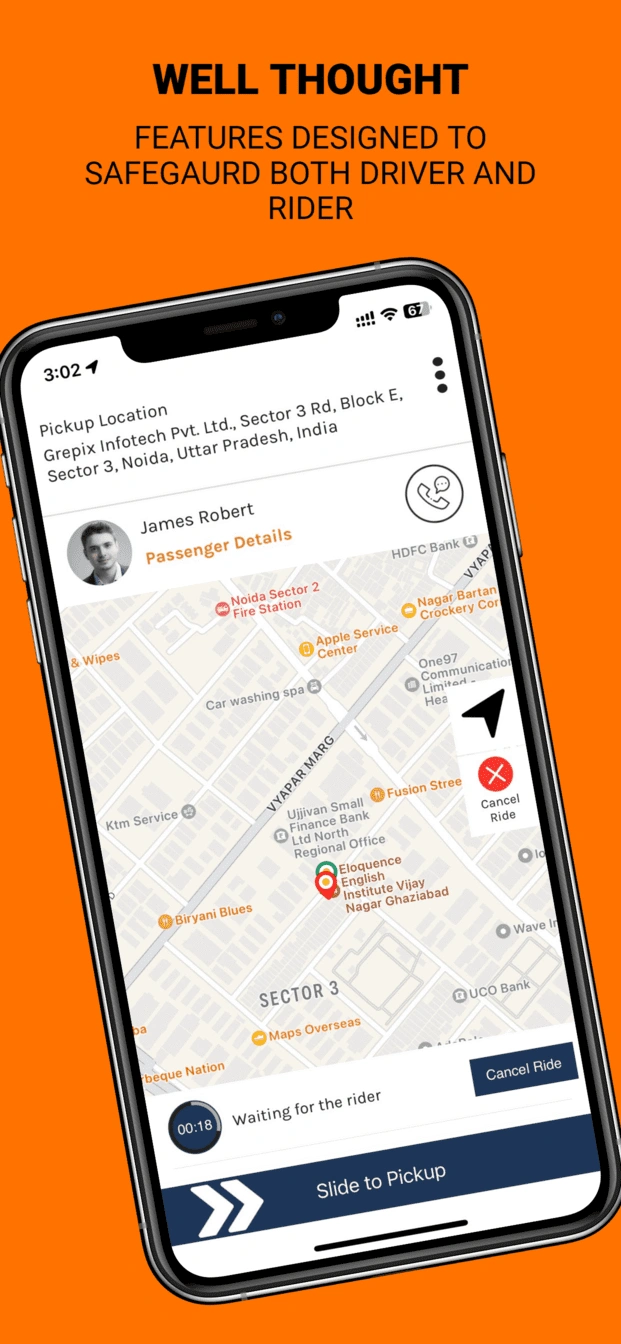
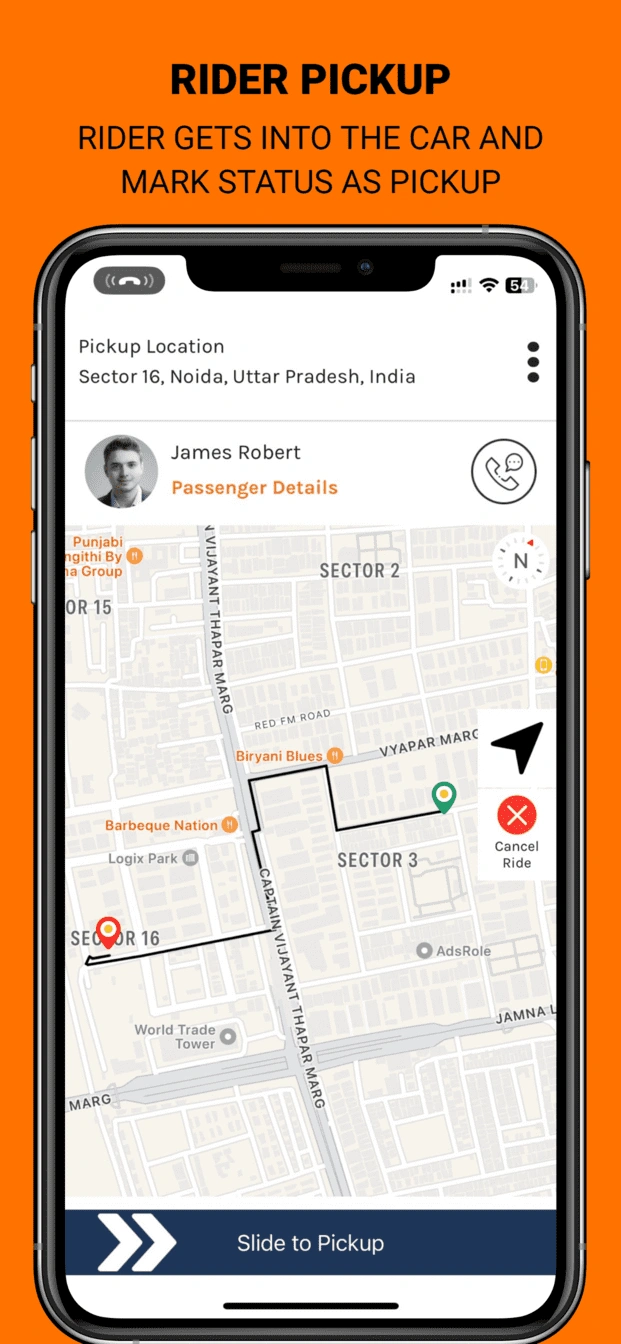
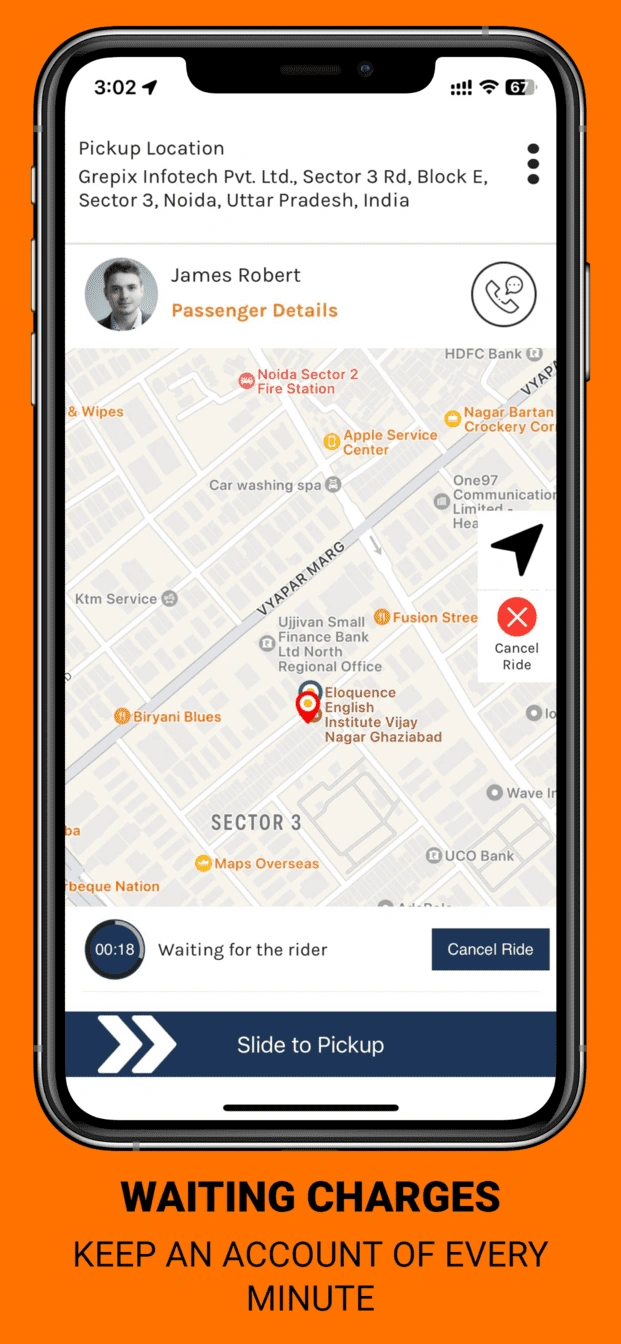
VIA clone driver apps are equipped with all the features required to keep drivers happy and tied to the platform.
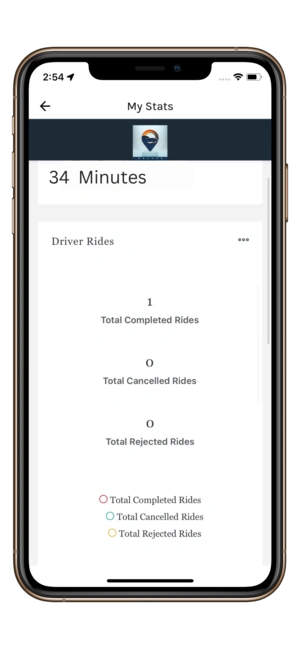
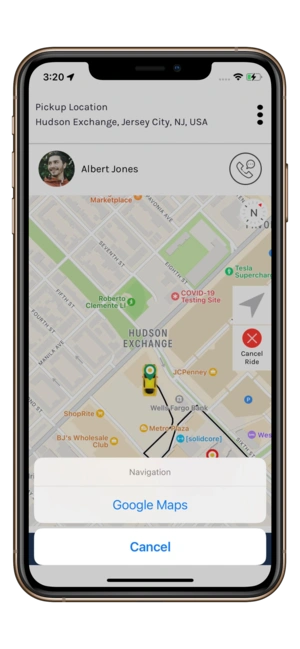
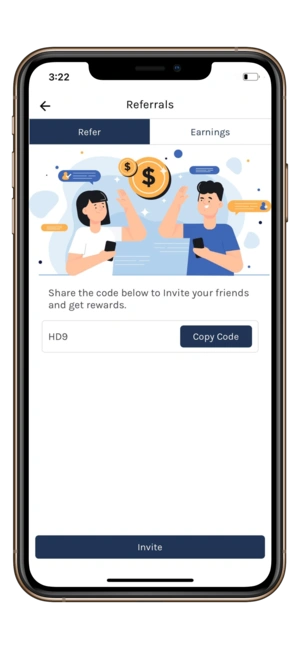
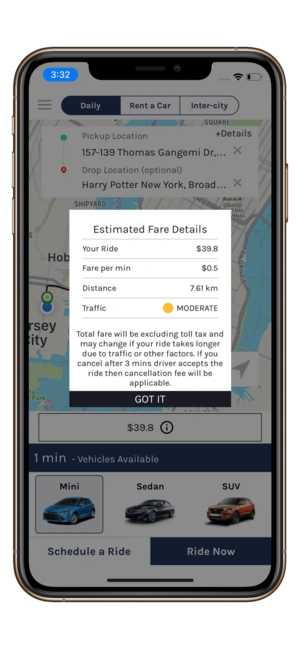
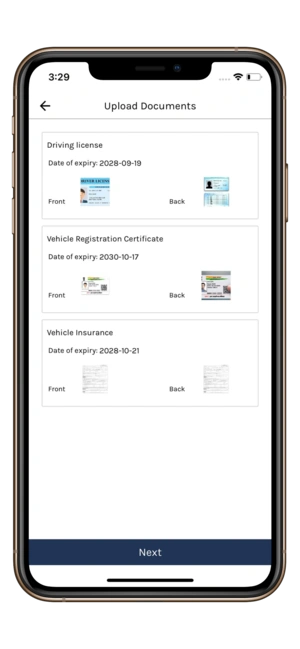
Admin can control driver's access on the platform, verify/block them, ask for more documents, see their performance, check their wallet status, documents, referrals, and so on.
User Manager provides full control over rider management. Admins can view user profiles, monitor booked/canceled/completed rides, and resolve customer issues directly from the dashboard. This ensures smooth and transparent rider operations.
Admin can see all transactions happening on the platform. Moreover, he can view the transaction details in depth, like taxes, commission, mode of payment, wallet transfers, etc.
Our platform's core strength is an inbuilt wallet system, which makes us stand out from our competitors. Once you understand, you find it mandatory to run a business.
Admin can view rides ongoing, completed, canceled, missed, or rejected by the drivers on the runtime. Admin can also despatch rides from the admin panel.
Admin has given access to multiple reports, which helps them plan and strategize various activities to support and grow the business to a new level.
VIA clone driver apps are equipped with all the features required to keep drivers happy and tied to the platform.












The initial stage of the mobile app development process involves discussing your project.
After project discussion and providing an estimation, the next step is to sign a service level agreement.
To design a blueprint structure and wireframing each screen before designing the app.

We complete the coding part of the app, layout main sections and client feedback.
Testing the app, 100% bug-free and get final approval from the client.
Deploy to app stores and the client's server completed successfully, making the app available for users.
We have built this product after surveying 200+ taxi companies worldwide in the last five years! So stay ahead in the taxi industry with our unique development strategies.

Once the purchase is completed, we install our VIA clone script to your server free of cost. Then, within a short span, we help you to make your script live.
We will handle everything involved in submitting the app to the app stores and making it available for download. The finished product will be available to our customers LIVE on the market.

We strive relentlessly to ship products that meet or exceed expectations in both quality and reliability. If there is a serious problem with our product, we will happily fix it without charging.

We're available via email, WhatsApp, and Skype whenever you need us! All of our support services, whether technical, non-technical, or maintenance-related, are delivered promptly.

You will get a complete source code based on your bundle selection. 100% source code means that clients have the privilege to change, add, or amend them as per their requirements.

You can count on our support even after the sale is finalized. We're prepared to take the rejection of our app in stride and work to improve it so that it meets the store's standards.

VIA Clone Taxi development in Native apps.
iOS: Swift / ObjectiveC
Android: Java / Kotlin

For any third-party services, such as payment gateways, SMS gateways, server installations, and more, our expert staff will help you manage all the accounts.

We'll give you an VIA clone taxi app that you can brand with your own name and logo at no cost.
For any business, it is crucial to understand how to generate revenue from a taxi business. In addition, the sustainability of a business depends on consistent income. So we're happy to tell you that our product is more flexible to adopt any of the following models.
VIA's commission model is the most widely used and trendy model to generate revenue. For example, a company can charge a percentage of the total ride cost. It can vary from 5% - 40%. In our product, the administrator can control the commission from the admin panel in real time.
Every company, including VIA, Uber, Ola, has implemented surge pricing. It's also referred to as dynamic pricing or time-based pricing. The company can strategize the model where the admin can control the price based on the current customer's demand. A company can also make it static by implementing time-based pricing.
Companies can charge a cancellation fee to generate profit from customers when they escape from pre-bookings. In our product, the company can set or control the cancellation fee from the admin panel in real time.
Subscription is another trendy model for Ridesharing or taxi apps. Companies can charge a fixed fee based on the number of rides or periods. These days, drivers prefer a subscription model as it saves money and caps a fee for a period.
The best way to manage the pricing structure for Taxi apps is commission + subscription. To retain the drivers and to keep them happy, Taxi companies can offer them a choice where they can decide on their own whether they want to pay the subscription fee or are happy to pay the commission on the rides they will complete.
According to Fortune Business Insights, the global mobile advertising market is projected to grow from $96.46 billion in 2021 to $782.12 billion in 2028 at a CAGR of 34.8% in the forecast period. Companies can also generate profits by putting ads inside the mobile applications. We have a ready module to manage the ads at runtime in the apps and runtime reports.
Cities, counties, and transit authorities routinely pay for on-demand microtransit as a first-mile/last-mile complement to fixed-route buses and rail. Securing a multi-year public contract to run a zone of on-demand shuttles provides a stable, recurring revenue base that isn't dependent on individual ride volume or surge pricing.
Universities, hospitals, and large employers increasingly outsource their internal shuttle operations to on-demand platforms. Charging a flat monthly or annual subscription fee per campus or corporate client creates predictable income while reducing the client's own fleet management overhead.
On-demand, shared-ride transit is one of the fastest-growing segments in mobility. Here's a quick snapshot of where the industry stands today.
Estimated global demand-responsive transport market size in 2024, spanning microtransit, paratransit, and shuttle services.
Projected annual growth rate through 2034, pushing the market toward an estimated $111.7 billion as agencies and enterprises adopt on-demand transit.
North America currently accounts for the largest share of microtransit software adoption, with Europe and Asia-Pacific expanding quickly behind it.
Share of public transport trips in Europe projected to involve some form of microtransit service, as agencies fill gaps left by traditional fixed routes.
A VIA-style clone app isn't limited to one business model. Here are the most common ways operators and agencies put it to work.
| Use Case | Typical Payer | Typical Rider | Key Benefit |
|---|---|---|---|
| First & Last-Mile Transit | City / Transit Agency | Commuters near rail & bus hubs | Extends fixed-route coverage without new infrastructure |
| Paratransit / ADA Service | City / Transit Agency | Riders with disabilities | Compliant, on-demand alternative to fixed paratransit vans |
| Campus Shuttles | University / Hospital | Students, staff, patients | Replaces fixed shuttle loops with on-demand pickups |
| Corporate Employee Transport | Employer | Employees | Reduces parking demand and improves punctuality |
| Rural & Suburban Transit | County / Regional Authority | Residents in low-density areas | Delivers transit access where fixed routes aren't viable |
Because the underlying dispatch, routing, and payment engine is the same across all five models, a single VIA clone deployment can serve more than one of these use cases at once, simply by configuring separate zones, fare rules, and rider eligibility.
Demand-responsive transport, the category that covers microtransit, paratransit, and shuttle services, has moved from a niche pilot program to a mainstream transit tool in less than a decade. What began as small city trials has grown into standing contracts with transit agencies, universities, and hospital systems around the world.
Real-world deployments back this up: on-demand transit platforms have already taken over routes previously run by legacy shuttle operators in multiple European cities, while several major transit agencies in North America have signed multi-year microtransit contracts to replace underperforming fixed bus routes.
For entrepreneurs and transit consultants, this growth curve represents a widening window of opportunity: agencies that haven't yet modernized their demand-responsive services are actively looking for proven, ready-to-deploy platforms rather than building custom software from scratch.
Projected at a 16.1% CAGR, the demand-responsive transit market is expected to more than quadruple in size over the next decade.
Compared to fixed-route service or building custom software in-house, a ready-to-deploy VIA clone platform offers clear, practical advantages.
Dynamic routing and shared rides reduce empty-seat miles compared to fixed buses running near-empty on low-demand routes.
Zones, hours, and fleet size can be adjusted in the admin panel as demand shifts, without redrawing fixed routes.
On-demand pickups help reach residents in low-density areas and riders with mobility needs that fixed routes often underserve.
Built-in reporting and ridership analytics help agencies and operators continuously refine zones, pricing, and vehicle deployment.
What startups ask us most often before launching an app like VIA.
As people become more aware of environmental problems such as pollution and the greenhouse effect, they seek sustainable solutions in their daily lives. Ride-sharing offers a practical way to contribute to environmental conservation. Our VIA clone is a ready-made version of that platform, delivered under your own brand, and ships as a passenger app, a driver app and a web admin panel.
VIA proved this model works, and the demand it serves exists in many markets that still have no established app. Our VIA clone gives you a tested starting point rather than an untested idea.
Yes. Passengers book from the app while your operators can also assign trips from the admin panel, with multiple vehicle categories carrying their own fare rules.
Yes. White labelling is included at no extra cost - your name, your logo and your colours across the passenger app, the driver app and the admin panel, published on your own App Store and Play Store accounts.
Yes. You receive 100% of the source code, which means you are free to change, add to or amend the app as your requirements change, without depending on us to do it.
A passenger app and a driver app for both iOS and Android, plus the web admin panel that controls fares, vehicle categories, commissions, service areas, promotions and reporting.
$5,999 USD is the starting point for the VIA Clone App package. The final number depends on how many platforms you launch on and how far you customise, so additional scope is priced on top.app cost calculator, or send us your feature list for a written quote.
Technical support is free for the first three months after delivery. After that, paid support packages are available and can be extended at any time as the business grows.
The passenger app, driver app and admin panel are documented question by question on our taxi app development FAQ page - over 150 answers covering bookings, fares, payments, driver management and admin controls.