
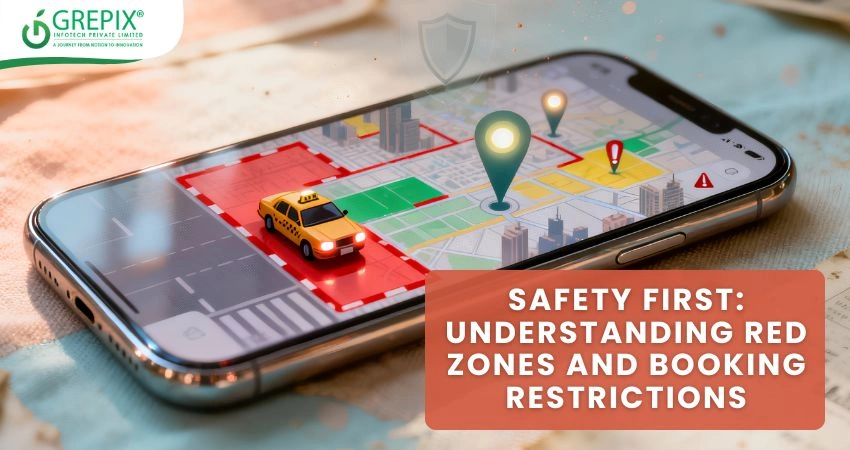
Safety First: Understanding Red Zones and Booking Restrictions
Safety is a top priority in ride-hailing apps, and understanding how Red Zones and booking restrictions work plays a major role in creating a secure travel experience for both passengers and drivers. Red Zones refer to areas where rides are limited or restricted due to safety concerns such as heavy traffic congestion, crime-prone localities, accident-prone regions, or government-controlled areas. By identifying and restricting bookings in these locations, ride-hailing apps help prevent risky situations, protect users, and support local regulations.
With smart geofencing technology, the app automatically detects restricted zones and alerts users before they book a ride. This ensures drivers don’t enter unsafe areas, and passengers avoid facing unexpected cancellations during peak restrictions. These protective measures are not meant to limit convenience; instead, they are designed to enhance trust and safety on every trip.
Red Zones and booking restrictions have become critical components of safety and compliance in today's ride-hailing industry. These zones often designated due to health emergencies or security concerns require taxi apps to enforce travel curbs effectively. Grepix Infotech, a premier mobile app development company, equips its White-Label Taxi App solutions with advanced geofencing, real-time zone updates, and booking control features that prioritize user safety while ensuring regulation adherence.
What Are Red Zones and Why Do They Matter?
Red Zones are defined geographic areas marked under government directives as high-risk due to factors like disease outbreaks, civil unrest, or environmental hazards. For example, during the COVID-19 pandemic, governments worldwide designated Red Zones to control virus spread through travel restrictions and activity bans.
In taxi app ecosystems, these zones directly impact operational capabilities in affected areas by:
- Restricting pickups and drop-offs to protect passengers and drivers
- Limiting travel during certain times or to/from specific destinations
- Requiring special permissions or e-passes for booking within or near Red Zones
Implementing these restrictions effectively in the app ensures compliance, safety, and reduces liability risks for taxi operators.
Booking Restrictions: How They Work in Taxi Apps
Booking restrictions are mechanisms that prevent or regulate ride bookings based on zone classification, time, and user verification. Grepix Infotech’s White-Label Taxi App incorporates flexible booking restriction rules linked to Red Zones. Key features include:
- Real-time geofencing: Automatically detects if a pickup or drop-off point falls inside a restricted zone and blocks or limits bookings accordingly.
- Time-based restrictions: Enforces curfews or no-go periods, such as night-time travel bans or lockdown hours, by disabling bookings during these intervals for affected zones.
- User eligibility checks: Supports e-pass validation, health checks, or driver/passenger status to allow only authorized rides within these zones.
- Customizable rule sets for cities or states: Businesses can configure different restrictions per government directives, supporting multi-region operations easily.
This granular control helps taxi companies maintain smooth operations while reinforcing safety and legality.
Safety Benefits of Red Zone Integration in Taxi Apps
Integrating Red Zone data and booking controls delivers significant safety and operational advantages:
- Protects passengers and drivers: By avoiding unsafe or prohibited areas, the risk of exposure to health threats or conflicts reduces substantially.
- Ensures regulatory compliance: Automated enforcement helps avoid fines, penalties, or license suspensions from government bodies.
- Enhances brand trust: Transparent communication about restrictions and safety measures builds passenger confidence in the app’s commitment to their well-being.
- Optimizes driver utilization: By preventing unauthorized bookings in restricted areas, driver workflows remain efficient, reducing the chance of trip cancellations.
Grepix Infotech embeds these safety features in its White-Label Taxi App so clients meet emerging regulatory requirements effortlessly.
Also Read: Road to Riches: How to Build a Billion-Dollar Taxi Business in Saudi Arabia
Technical Implementation of Red Zone and Booking Restrictions
Implementing these safety features requires robust architecture and real-time data integration within the mobile app and backend systems:
- Geofencing technology: Uses GPS and high-precision maps to delineate Red Zone boundaries updated regularly from government sources.
- Dynamic rule engine: Enforces zone-based restrictions on booking requests based on time, user eligibility, zone severity, and government notifications.
- Push notifications and UI alerts: Inform users instantly if their requested ride violates Red Zone rules, explaining the restrictions and suggesting alternatives.
- Backend sync with government APIs: Where available, pulls real-time updates on zone classifications ensuring apps reflect current regulations.
- Admin panel controls: Allow operators to define, update, and override restrictions manually when policies change or exceptions apply.
Grepix Infotech applies best practices in mobile app development for reliable, scalable, and secure Red Zone and booking management modules.
Challenges and Solutions in Managing Red Zones in Taxi Apps
Working with Red Zones and booking restrictions poses several challenges:
- Frequent zone updates: Zones change based on disease spread or government orders. Automated syncing from trusted APIs and manual admin override balances accuracy and flexibility.
- Handling exceptions: Essential travel or emergency services may need exceptions, supported via e-pass validation and manual overrides in the app backend.
- User communication: Clear and empathetic messaging for denied bookings avoids frustration and reinforces trust. Grepix designs UI/UX to prioritize this communication flow.
- Privacy concerns: Collecting and processing zone-related user data needs compliance with privacy laws, addressed by securing data transmission and storage.
Grepix Infotech’s experience in taxi app development mitigates these challenges through tested workflows and state-of-the-art technologies.
Conclusion
Safety must be the foremost priority for any taxi or ride-hailing service operating today. Understanding and integrating Red Zones and booking restrictions into app workflows demonstrate commitment to passenger and driver welfare, legal compliance, and operational excellence. Grepix Infotech, a trusted mobile app development company, embeds these critical safety features deeply within its White-Label Taxi App platforms. This allows taxi businesses to navigate complex regulatory landscapes confidently while delivering trusted, seamless experiences to users worldwide.
By leveraging real-time geofencing, dynamic rule engines, intuitive communication, and comprehensive admin controls, Grepix Infotech empowers clients to maintain high safety standards without sacrificing app usability or market coverage. Red Zones and booking restrictions are no longer obstacles but structured safeguards that protect lives and reputations in a rapidly changing global environment.
FAQs
1. What triggers a Red Zone booking restriction in the app?
When a user tries to book a ride with pickup or drop-off within a designated Red Zone, the app checks current zone data and either blocks or limits booking.
2. Can users book rides exiting a Red Zone?
Depending on government rules and app configurations, exiting rides may be allowed with restrictions or permissions such as e-passes.
3. How often are Red Zone boundaries updated?
Updates typically occur weekly or as mandated by government notifications, with apps syncing via APIs or admin inputs.
4. What happens if a user ignores the booking restriction alert?
The app enforces the restriction technically by blocking the booking; users cannot proceed without complying to safety rules.
5. Can taxi drivers override Red Zone restrictions?
Generally, no; overrides are controlled centrally through admin permissions to ensure compliance and reduce liability.