
How to Start a Taxi Business in Zimbabwe: A Complete Guide
Starting a taxi business in Zimbabwe requires strategic planning, dedication, and adaptability. From understanding the market to ensuring customer satisfaction, each step plays a critical role in your success. With the right approach, you can create a thriving business that meets the growing demand for reliable transport services.
Starting a taxi business in Zimbabwe Launching a taxi business in Zimbabwe can be rewarding if done strategically. The growing urbanization, reliance on public transport, and increasing demand for reliable commuting options make the industry ripe for investment. In this blog, We will walk you through every step of establishing a profitable taxi business.
Starting a taxi business in Zimbabwe is a promising venture, driven by urbanization and the increasing demand for reliable transport services. With strategic planning, compliance with legal requirements, and a focus on customer satisfaction, you can establish a successful and sustainable business. Key steps include researching the market, developing a solid business plan, securing financing, and leveraging technology for efficient operations. Partnering with Grepix Infotech, a leading taxi app development company, provides access to innovative tools like booking apps, real-time tracking, and digital payments, helping your business thrive. With Grepix, you can confidently build a modern, tech-driven taxi service in Zimbabwe.
Why Zimbabwe's Taxi Market Is Booming
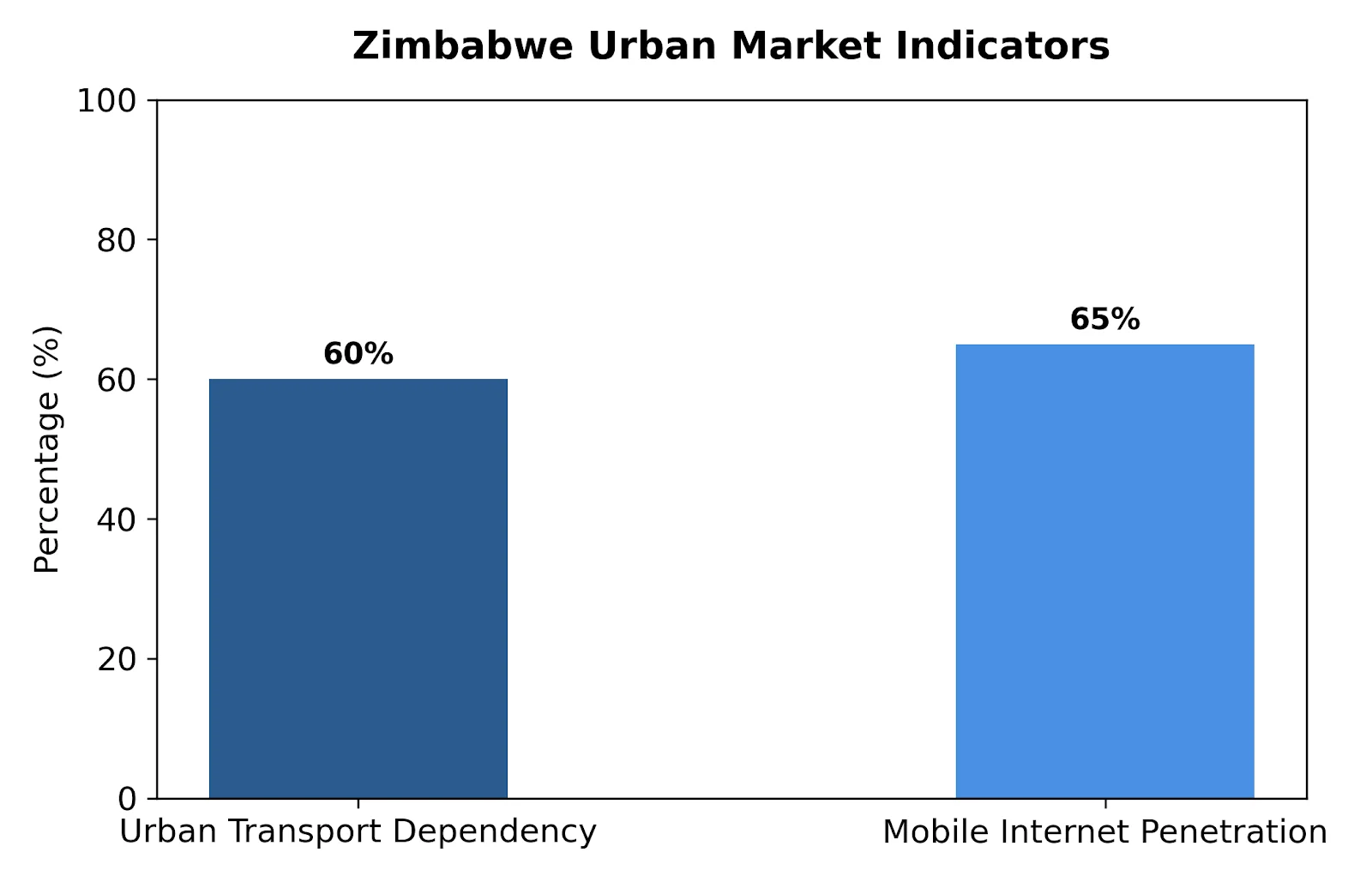
Zimbabwe's transportation landscape is undergoing a rapid transformation. With over 60% of the urban population relying on informal transport, there is enormous untapped potential for organized, tech-enabled taxi operators. Cities like Harare, Bulawayo, and Mutare are seeing a surge in middle-class commuters who prefer safe, trackable rides over unregulated alternatives.
The rise of mobile internet penetration now exceeding 65% across urban Zimbabwe means passengers are ready to use taxi booking apps and digital payment platforms. Entrepreneurs who invest in a ride-hailing app for Zimbabwe today are positioning themselves ahead of the curve. With the right on-demand taxi software, you can build a business that scales from a single vehicle to a city-wide fleet without reinventing your operations.
1 Understanding the Taxi Business in Zimbabwe
The transportation system of Zimbabwe relies heavily on taxis and minibusses due to limited personal car ownership and an underdeveloped public transport network. Urban hubs like Harare and Bulawayo offer lucrative opportunities for taxi entrepreneurs. However, competition with informal operators and fluctuating fuel prices remain challenges. By understanding the market’s dynamics, you can position your business to stand out by offering professionalism, convenience, and reliability.
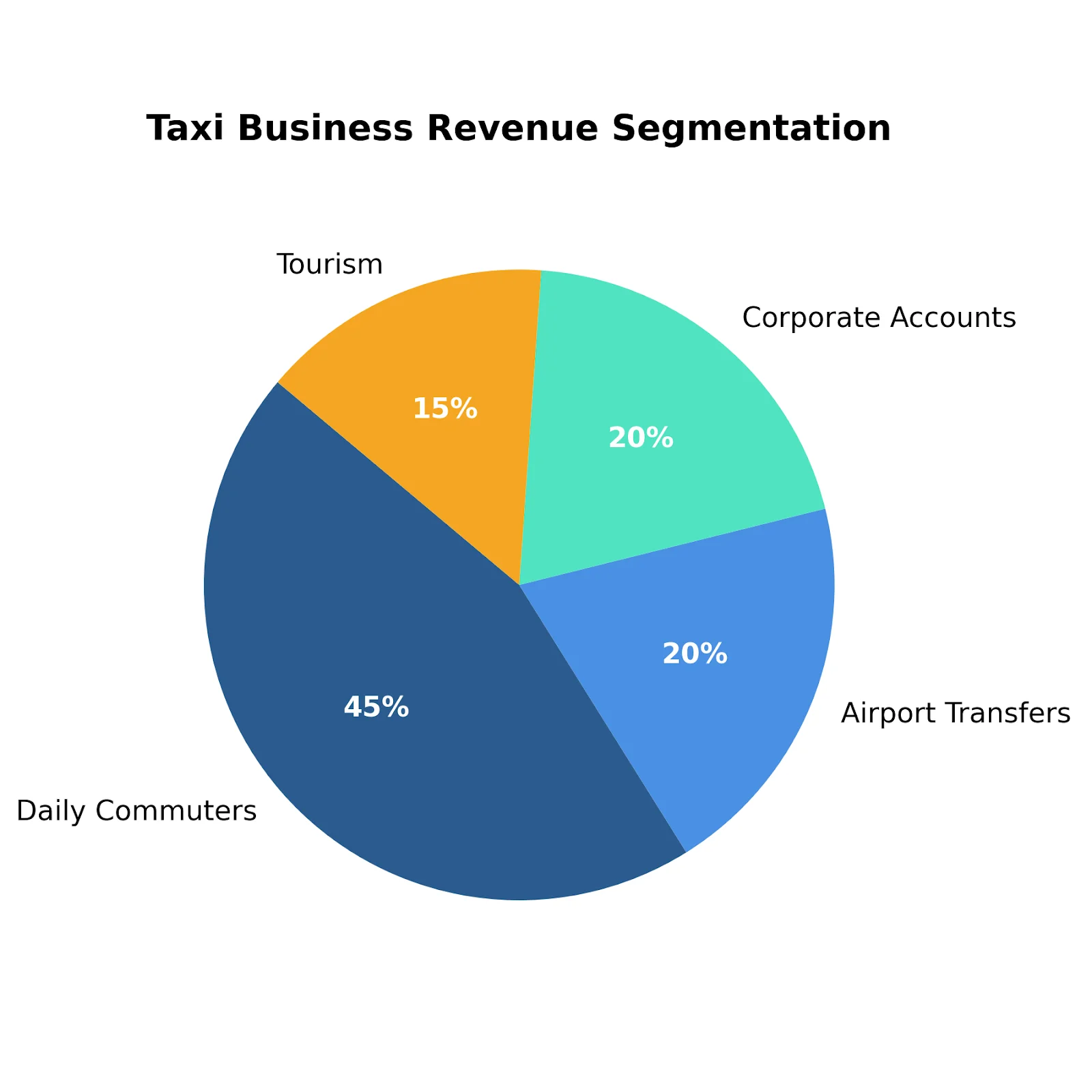
Key market segments to target include:
- Daily Commuters: Office workers traveling between residential suburbs and CBDs in Harare and Bulawayo represent the largest and most consistent revenue source.
- Airport Transfers: Robert Gabriel Mugabe International Airport handles significant passenger traffic a premium segment that commands higher fares and corporate contracts.
- Corporate Accounts: Businesses often need monthly contracts for employee transport, offering stable recurring revenue that stabilizes your cash flow.
- Tourism: Victoria Falls and Great Zimbabwe attract international tourists who require reliable guided transport and are willing to pay premium rates for safety and comfort.
Understanding these segments helps you tailor your taxi dispatch system and pricing to match customer expectations precisely. A well-segmented approach also allows you to prioritize higher-margin customers during the early stages when your fleet is small.
Research and Planning
Before you invest a single dollar, research the market thoroughly. Identify your target customers: are you catering to corporate clients, daily commuters, or tourists? Study competitors to understand their pricing, services, and customer reviews.
An effective plan ensures you avoid pitfalls and maximize profits.
2 Legal Requirements and Licenses
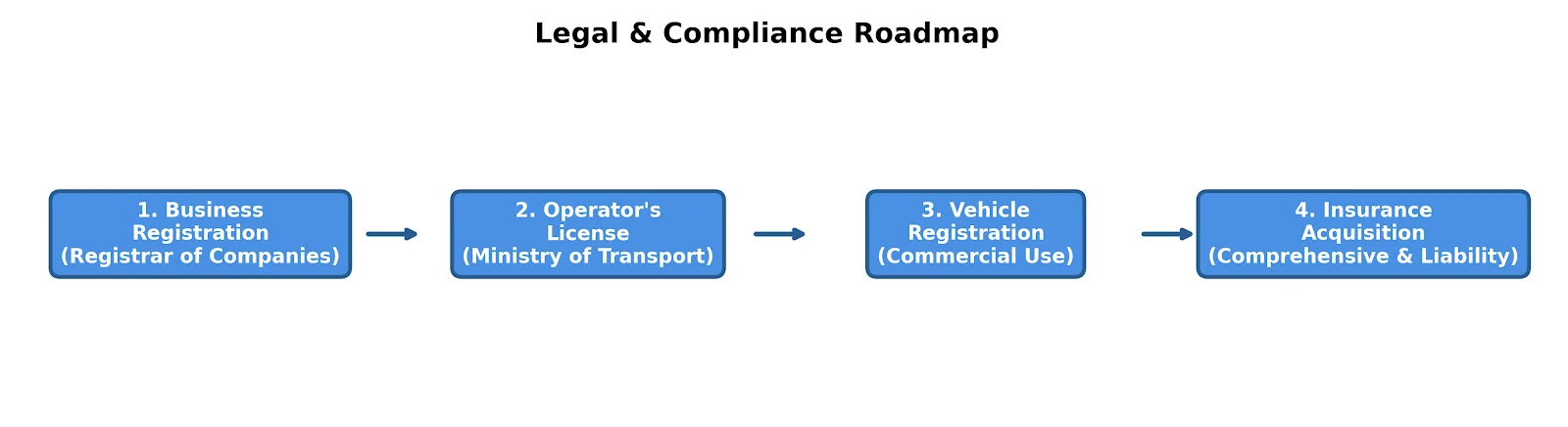
Operating a taxi business in Zimbabwe involves complying with strict regulations. Here's what you need:
- Business Registration: Register your company with the Registrar of Companies.
- Operator's License: Obtain a transport operator’s permit from the Ministry of Transport.
- Vehicle Registration: Ensure all taxis are registered for commercial use.
- Insurance: Get comprehensive insurance for all vehicles and third-party liability coverage.
Failing to meet these requirements can lead to heavy fines or suspension of your operations.
3 Developing a Business Plan
Your business plan is the roadmap for success. It should include:
- Mission and Vision: Define your purpose and future aspirations.
- Financial Forecasts: Estimate start-up costs, operational expenses, and revenue.
- Service Strategy: Detail the routes, customer segments, and pricing model.
A solid business plan will also help you secure funding from investors or banks.
4 Choosing the Right Vehicles
Investing in reliable vehicles is crucial. Consider fuel efficiency, durability, and passenger capacity. While new cars have lower maintenance costs, used vehicles can be a cost-effective option for start-ups. Remember to factor in maintenance schedules and spare part availability for long-term sustainability.
5 Securing Financing
Starting a taxi business requires a substantial initial investment. If self-funding isn’t an option, consider these financing methods:
- Bank Loans: Approach local banks or microfinance institutions for small business loans. Prepare a strong business plan to increase your chances of approval.
- Government Schemes: Research grants or incentives offered to entrepreneurs in the transportation sector.
- Private Investors: Partner with individuals willing to invest in your venture for a share of profits.
- Vehicle Financing: Some dealerships offer vehicle financing plans that let you pay in installments.
Make sure to analyze interest rates and repayment schedules before finalizing any loan.
6 Setting Up a Fleet Management System
Managing a fleet of vehicles can be overwhelming without the right tools. A good fleet management system helps you:
- Track your vehicles in real-time using GPS.
- Schedule routine maintenance to avoid unexpected breakdowns.
- Monitor fuel consumption and driver behavior to cut unnecessary costs.
Additionally, having comprehensive insurance for your fleet is non-negotiable. It protects your business from financial losses due to accidents or theft.
7 Hiring and Training Drivers
The success of your taxi business depends heavily on the quality of your drivers. Look for individuals who:
- Have valid driver’s licenses and clean driving records.
- Exhibit professionalism and excellent customer service skills.
- Are familiar with local routes and traffic laws.
Once hired, provide training on:<
- Safe driving practices.
- Handling customer interactions.
- Using technology like booking apps and GPS systems.
Clearly define their wages, bonuses, and working hours in a written contract to avoid disputes later.
Also Read: "Road to Riches: How to Build a Billion-Dollar Taxi Business in Saudi Arabia"
8 Branding and Marketing
Your taxi business needs a strong identity to stand out in a competitive market. Start by creating a memorable name, logo, and slogan. Once branding is set, focus on marketing strategies such as:
- Local Advertising: Use flyers, posters, and billboards in high-traffic areas.
- Social Media: Engage with potential customers on platforms like Facebook and Instagram.
- Word of Mouth: Encourage satisfied customers to recommend your services.
Loyalty programs and promotional discounts can further boost your visibility and attract new clients.
9 Using Technology to Enhance Services
Technology plays a pivotal role in modern taxi businesses. Invest in tools like:
- Booking Apps: Allow customers to book rides conveniently.
- Digital Payments: Enable cashless transactions using mobile money or card payments.
- Customer Feedback Systems: Collect reviews to improve your services.
These innovations not only improve customer experience but also streamline operations for better efficiency.
10 Pricing Strategies
Setting the right fares can make or break your taxi business. Your pricing model should be competitive yet profitable. Here’s how to determine your rates:
- Fixed Pricing: Charge set rates for common routes to simplify billing.
- Dynamic Pricing: Adjust fares based on demand during peak hours or bad weather.
- Promotions: Offer discounts to first-time customers or during special events.
Regularly review your pricing structure to stay competitive in the market.
11 Ensuring Safety and Security
Safety should be a top priority for both your customers and drivers. Implement measures such as:
- Conducting thorough background checks on drivers.
- Installing safety features like dashboard cameras and panic buttons in vehicles.
- Providing emergency contact numbers and clear protocols for handling incidents.
Building a reputation for safe and secure services can significantly enhance customer trust and loyalty.
12 Building Customer Loyalty
Repeat customers are the backbone of any successful taxi business. To retain clients:
- Focus on delivering punctual, polite, and reliable service.
- Launch loyalty programs offering discounts or free rides after a set number of trips.
- Handle complaints quickly and professionally to show customers you value their feedback.
Satisfied customers are more likely to recommend your service, helping your business grow organically.
13Scaling Your Business
Once your taxi business is stable, consider scaling to increase revenue. Some ways to expand include:
- Adding Services: Introduce luxury taxis or specialized services for corporate clients.
- Expanding Routes: Operate in other cities or underserved areas.
- Diversifying: Explore ride-sharing or delivery services to diversify income streams.
Expansion requires careful planning, so assess market demand and financial feasibility before proceeding.
14 Is a Taxi Business in Zimbabwe Actually Profitable?
One of the most searched questions by aspiring entrepreneurs is: "How much money can I make from a taxi business in Zimbabwe?" The honest answer depends on your model, city, and fleet size but the numbers are genuinely compelling.
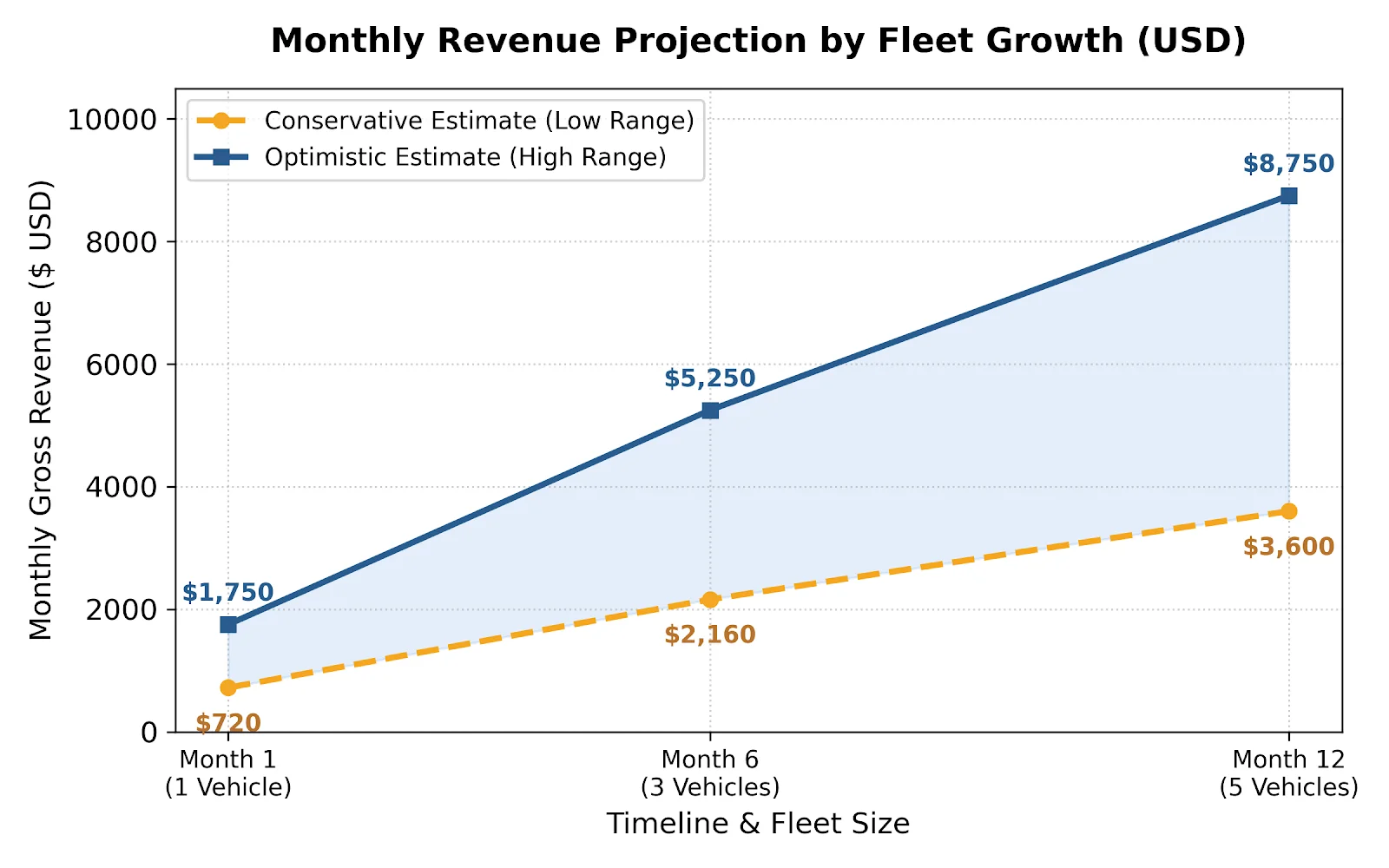
A single well-managed taxi in Harare operating 10–12 hours a day can generate between USD $30 and $70 per day in gross revenue, depending on route, season, and whether you use a booking app. After fuel (your biggest variable cost), driver wages, and maintenance provisions, net margins of 25–40% are achievable for owner-operators who are disciplined about costs.
| Revenue Driver | Low Estimate | High Estimate |
|---|---|---|
| Daily gross (1 vehicle, Harare CBD) | $30 | $70 |
| Monthly gross (1 vehicle) | $720 | $1,750 |
| Monthly gross (5-vehicle fleet) | $3,600 | $8,750 |
| Airport transfer premium (per trip) | $25 | $60 |
| Corporate monthly account | $400 | $1,200 |
Operators who layer in corporate accounts alongside app-based bookings consistently report the best outcomes the predictability of corporate revenue smooths out the volatility of walk-up fares. Premium segments like Victoria Falls tourism transfers can push per-trip revenue 3–4x above the Harare urban average, making geographic expansion a powerful lever once your fleet is stable.
15 Choosing the Right Business Model: Owner-Operator vs. Fleet vs. Aggregator
Not all taxi businesses are built the same. Before you invest, understand the three dominant models operating in Africa today each with different capital requirements, risk profiles, and growth ceilings.
- Owner-Operator Model: You own 1–3 vehicles and drive or manage them personally. Start-up costs are lowest ($10,000–$20,000), profit per vehicle is highest since you eliminate driver wage overhead, but your growth ceiling is tied to your own time. Best for first-time entrepreneurs testing the market.
- Fleet Owner Model: You own 5–20 vehicles, hire drivers, and manage operations. Requires stronger systems scheduling, driver accountability, maintenance logs but scales revenue significantly. Gross monthly revenues of $15,000–$30,000 are achievable at 10+ vehicles. This model benefits most from a white-label dispatch app that automates booking allocation.
- Aggregator / Platform Model: Rather than owning vehicles, you operate a ride-hailing platform that connects independent drivers to passengers. Capital goes into technology rather than hardware. Margins are thinner per ride (commission 15–25%), but scale is unlimited. This is the Bolt/Uber model, and Grepix's Uber Clone gives local entrepreneurs a ready-made version of this infrastructure.
Many successful Zimbabwe operators start with the fleet model and evolve toward the aggregator model as their driver network grows an organic path that reduces capital risk while building market dominance.
16 How AI-Powered Taxi Apps Are Changing the Game in Zimbabwe
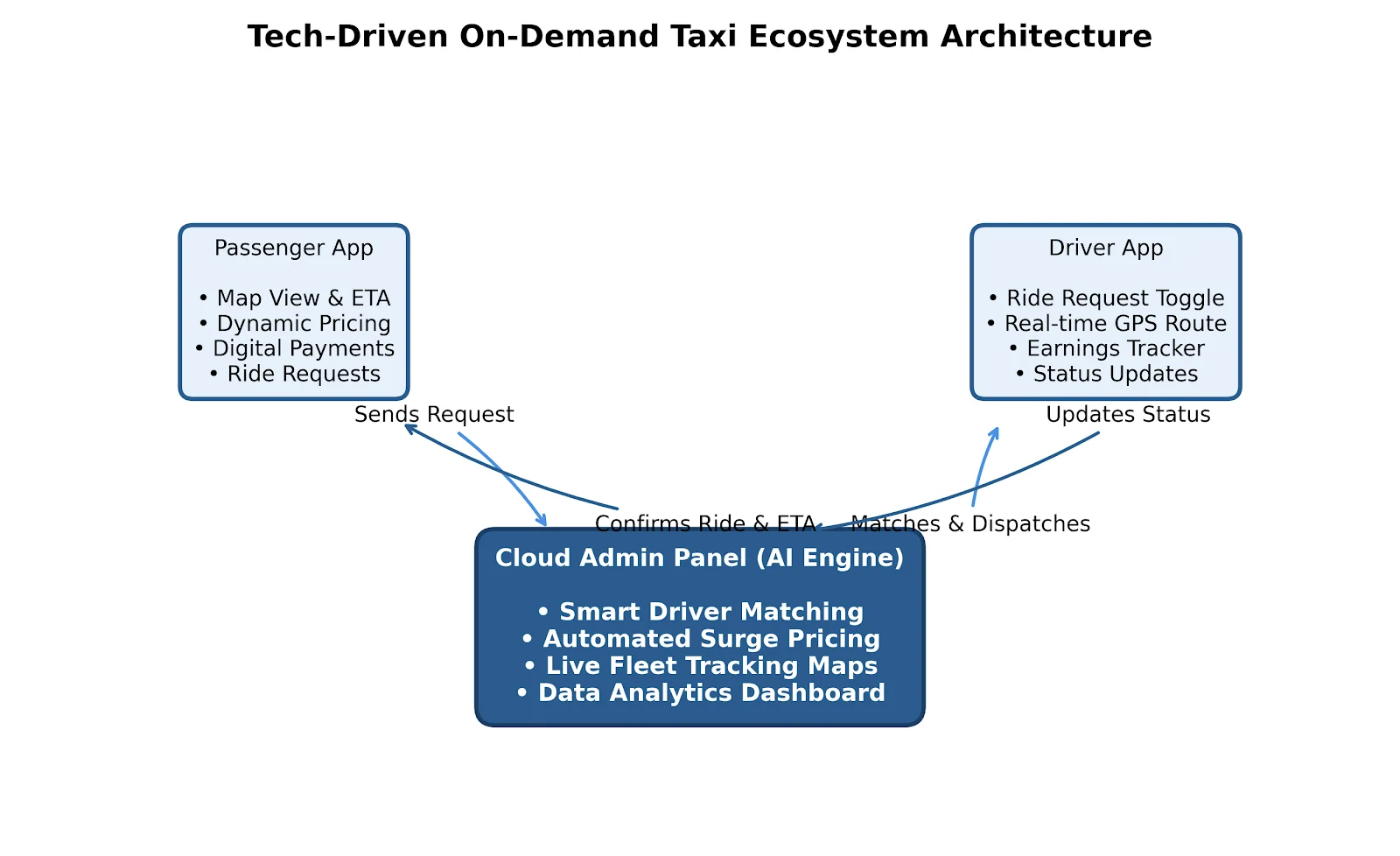
Artificial intelligence is no longer a luxury feature reserved for Uber or Bolt. Modern taxi app development solutions now embed AI capabilities that were unimaginable five years ago and they're available to small fleet operators in Zimbabwe at a fraction of the cost of building from scratch.
Here's what AI actually does inside a modern taxi dispatch system:
- AI-Powered Demand Forecasting: The system analyses historical ride data, time of day, local events, and weather patterns to predict where demand will spike so you can pre-position vehicles in Harare's Avondale or Borrowdale before morning commute peaks, rather than waiting reactively.
- Smart Driver Matching: Instead of simply assigning the nearest driver, AI matching considers driver rating, trip history on a specific route, and vehicle type preference reducing cancellations and improving passenger satisfaction scores by up to 30%.
- Dynamic Pricing Engine: Just like airlines adjust fares by demand, AI-driven surge pricing automatically adjusts fares during peak hours, rain events, or major events at Harare International Conference Centre maximising your revenue without any manual intervention.
- Predictive Maintenance Alerts: Fleet management AI analyses mileage, engine data, and service history to predict when a vehicle is likely to break down flagging maintenance needs before they become expensive roadside emergencies.
- Fraud Detection: AI monitors payment patterns and trip data to flag suspicious behaviour protecting your revenue from driver fraud or fake booking patterns.
Grepix Infotech's Uber Clone and Bolt Clone platforms are built with these AI capabilities pre-integrated, meaning you get enterprise-grade intelligence from day one without needing a data science team.
17 The Future of Taxi Technology in Zimbabwe: Green, Personalized, and AI-First
The global taxi industry is undergoing its deepest transformation in a century. Zimbabwe's market, while early in this journey, is not immune to these trends and forward-thinking entrepreneurs who position now will own the market when the wave arrives.
Electric Vehicles (EV) in Zimbabwean Fleets: Zimbabwe's fuel import dependency makes it uniquely vulnerable to global oil price shocks. Electric taxis eliminate this risk. While EV infrastructure is limited today, Chinese-manufactured EVs like the BYD Atto 3 are arriving in southern Africa at increasingly accessible price points. Operators who begin testing 1–2 EVs in their fleet now will have the expertise and brand reputation to lead when EV charging networks expand and government incentives follow.
Personalized Ride Experiences: The next generation of taxi booking apps remembers passenger preferences preferred driver temperature, music genre, route, and even conversation style (quiet ride vs. chatty). In a market where customer loyalty is fragile, personalization creates switching costs that protect your revenue base from competitor poaching.
Women-Only Safety Features: A significant and underserved market segment in Zimbabwe is female solo travelers who feel unsafe in unregulated taxis. Apps that allow passengers to filter for female drivers, share live trip tracking with a contact, and trigger a silent SOS to emergency services convert safety anxiety into brand loyalty and open corporate contracts with NGOs and international organizations based in Harare.
Integration with Public Transit: As Harare eventually develops better bus rapid transit infrastructure, taxi operators who integrate their app with multimodal journey planning (taxi + bus connections) become indispensable to commuters a positioning advantage that pure taxi-only operators will struggle to replicate.
18 Real-World Case Study: How One Harare Operator Built a 15-Vehicle Fleet in 3 Years
Consider the journey of a hypothetical but realistic Harare entrepreneur let's call him Tatenda who launched his taxi business in 2021 with a single Toyota Wish and $12,000 in savings.
Tatenda's first year was about survival: learning the airport transfer corridor between Robert Gabriel Mugabe International Airport and Borrowdale, which he identified as underserved by reliable operators. He charged a fixed rate of $35 $10 above informal competitors and differentiated on punctuality and vehicle cleanliness. Within six months, he had three corporate clients from embassies who required consistent airport pickups.
In year two, Tatenda reinvested profits into two additional vehicles and partnered with Grepix Infotech to deploy a white-label ride-hailing app under his own brand. The app enabled EcoCash payments critical in Zimbabwe's semi-dollarized economy and allowed him to attract tech-savvy professionals in Highlands and Avondale who had been using informal operators out of necessity, not preference.
By year three, Tatenda operated 15 vehicles, employed 12 full-time drivers, and served 4 corporate accounts generating over $3,000 in guaranteed monthly revenue. His fleet management dashboard integrated into the taxi app reduced unplanned breakdowns by 40% through maintenance alerts and cut fuel costs by routing drivers more efficiently. His story illustrates that the path from single vehicle to scalable fleet is achievable in Zimbabwe's current market with the right technology partner.
19 Challenges and How to Overcome Them
Every business faces obstacles, and Zimbabwe's taxi industry has some unique ones that first-time operators are often unprepared for. Understanding these upfront gives you a significant advantage over competitors who discover them the hard way.
- Fuel Cost Volatility: Zimbabwe's fuel prices fluctuate with global oil markets and USD availability. Mitigate this by maintaining a fuel reserve during stable periods, negotiating bulk purchasing agreements with filling stations, and transitioning your highest-mileage vehicles to more fuel-efficient models as early as cash flow allows. Route optimization through your taxi app's dispatch system can reduce unnecessary mileage by 15–20%.
- Currency Instability: Operating in a semi-dollarized environment means your costs (fuel, spare parts) are often USD-priced while some passengers pay in ZiG. Price in USD where possible and build a currency buffer fund aim to hold 3 months of operating costs in hard currency before expanding your fleet.
- Load-Shedding (Planned Power Outages): ZESA's rolling blackouts affect mobile internet reliability which impacts your booking app's performance for both passengers and drivers. Ensure your drivers have mobile data plans (not WiFi dependent) and that your app is built with offline-resilient booking queuing so trips aren't lost during outages.
- Unregulated Competition: Informal operators undercut on price but rarely on safety or reliability. Rather than racing to the bottom on fares, differentiate through verified drivers, trackable rides, and cashless payments. Customers who've had a bad experience with an informal operator are your easiest conversion target them directly with safety-focused marketing.
- Driver Reliability and Attrition: Skilled drivers are in demand and may leave for competitors or start their own operations. Combat this with fair commission structures, performance bonuses tied to customer ratings, and transparent earnings visibility through your driver app drivers who see their income data daily work harder and stay longer.
- Seasonal Demand: School holiday periods reduce corporate commuter volume while tourism demand rises. Manage off-peak months by pre-booking airport contract clients, offering package delivery services, and running promotional rates for first-time app users to build your customer base during quiet periods.
Resilience in Zimbabwe's taxi market comes from systems, not just hard work. Operators who invest in technology-driven fleet management survive disruptions that sink less organized competitors.
Conclusion
Starting a taxi business in Zimbabwe is a rewarding opportunity to cater to the growing demand for reliable transportation services. By carefully planning, meeting regulatory requirements, and focusing on customer satisfaction, you can establish a thriving business that stands out in a competitive market. Leveraging technology to streamline operations and enhance customer convenience is crucial for long-term success.
Partnering with Grepix Infotech, a leading taxi app development company, can transform your business into a modern, tech-driven enterprise. Grepix’s innovative, user-friendly apps simplify ride booking, enable real-time tracking, and support cashless payments. These advanced solutions empower you to deliver exceptional services, attract customers, and optimize operations.
With Grepix Infotech as your technology partner, you can confidently scale your taxi business and meet the dynamic needs of Zimbabwe’s urban and rural markets. Start your entrepreneurial journey with Grepix Infotech and take your taxi business to new heights.
FAQs
1. How much does it cost to start a taxi business in Zimbabwe?
The start-up cost varies based on vehicle type, licensing fees, and marketing expenses. On average, you may need $10,000 to $30,000 to get started.
2. Do I need a special license to operate a taxi in Zimbabwe?
Yes, you must obtain an operator’s license and ensure all vehicles have proper commercial registration and insurance.
3.What is the best vehicle for a taxi business?
Fuel-efficient and durable vehicles like the Toyota Corolla or Honda Fit are popular for taxi businesses in Zimbabwe.
4. How can I attract more customers to my taxi service?
Focus on exceptional service, competitive pricing, and effective marketing through social media and local advertising.
5. Can I operate a taxi business part-time?
Yes, you can start with a small fleet and gradually scale up based on demand and availability.
6. Do I need a taxi app to run a taxi business in Zimbabwe?
While not legally required, a taxi booking app dramatically improves efficiency, customer satisfaction, and revenue. Companies like Grepix Infotech offer affordable on-demand taxi app development with quick deployment timelines tailored for African markets, giving you a fully branded platform without the cost of building from scratch.
7. What is a white-label taxi app and is it good for Zimbabwe?
A white-label taxi app is a ready-made, fully branded taxi software solution that you can launch under your own business name without building from scratch. It's ideal for Zimbabwe because it's cost-effective, fast to deploy, and can be customized with local payment options like EcoCash and OneMoney.
8. What payment methods should my taxi app support in Zimbabwe?
Zimbabwe's payment landscape is unique. Your app should support EcoCash (Zimbabwe's dominant mobile money platform), OneMoney, USD cash (still widely preferred by premium customers), and Visa/Mastercard for international tourists and corporate clients. Operators who support only one or two methods lose meaningful ride volume. Grepix's white-label taxi app can be integrated with all of these through local payment gateway partnerships.
Looking out to start your own venture like Bolt? Try out our HireMe Taxi Bolt Clone, the easiest way to kick-start your taxi business.