
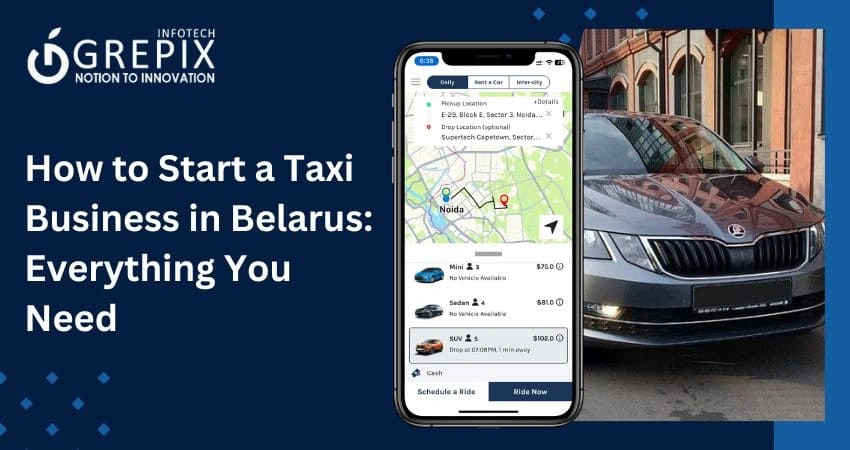
How to Start a Taxi Business in Belarus: Everything You Need
Starting a taxi business in Belarus can be a profitable venture, given the increasing demand for reliable transportation. With urban areas like Minsk, Brest, and Grodno experiencing significant growth, the need for taxis continues to rise. Whether considering a traditional taxi fleet or a ride-hailing service, understanding the market and regulations is crucial for success.
The transportation industry in Belarus is evolving, with more people relying on taxis for daily commutes, business trips, and airport transfers. With the right approach, you can build a sustainable and profitable taxi business.
| Setup Layer | Governing System / Agency | Key Operational Mandates | Required Gear |
|---|---|---|---|
| Company Structure | Executive Committees (Minsk/Regional) | Establishment of a Legal Entity (ChUP or OOO) or registration as a private entrepreneur. | Corporate Registry Documents |
| State Register | Transport Inspection of Belarus | Mandatory inclusion of the business entity, specific vehicles, and all dispatch drivers in the State Register. | Approved Register Certificates |
| Fiscal Compliance | Ministry of Taxes and Duties | Connection to specialized automated state data networks for direct tracking of fares. | Taximeter with SKO / Electronic Booking Systems |
Starting a taxi business in Belarus can be a profitable venture, especially in growing urban areas like Minsk, Brest, and Grodno, where demand for reliable transportation is high. Whether opting for a traditional taxi fleet or a ride-hailing service, understanding the market, legal requirements, and competition is crucial. Success depends on securing the necessary permits, choosing the right fleet, integrating technology like GPS dispatch and mobile booking apps, and implementing effective marketing strategies. By focusing on quality service, sustainability, and competitive pricing, entrepreneurs can build a thriving and scalable taxi business in Belarus’s evolving transportation sector.
1 Research and Planning
Understanding the Local Taxi Market
Before starting a taxi business in Belarus, conduct thorough market research to understand customer preferences and demand. Identify the busiest locations, peak hours, and high-demand routes to optimize operations. Analyzing trends in urban areas like Minsk can help you develop competitive pricing and strategic service offerings to attract more passengers.
Belarus Taxi Booking Channel Split
Note: Digital platforms like Yandex Go and local app integrations capture the clear majority of rides in major urban centers like Minsk, Brest, and Grodno.
Identifying Competitors and Market Gaps
Study existing taxi services like Yandex Taxi and local cab companies to identify market gaps. You can differentiate your business by offering premium services, eco-friendly vehicles, or better pricing.
Choosing a Business Model
There are two main taxi business models:
- Traditional Taxi Service You operate a fleet of taxis with drivers following a fixed pricing structure.
- Ride-Hailing App Service Customers book rides through a mobile app, similar to Uber or Yandex.Taxi.
Choosing the right model depends on your budget, resources, and long-term goals.
2 Legal Requirements and Licensing
Registering Your Taxi Business
In Belarus, you need to register your business with the tax authorities. You can choose from different legal structures such as:
- Individual Entrepreneur (IE) – Suitable for small taxi operations.
- Limited Liability Company (LLC) – Best for a fleet-based business.
Obtaining Necessary Permits and Licenses
To operate legally, you must obtain a taxi service license from the Belarusian Ministry of Transport. This process includes:
- Submitting an application
- Providing vehicle registration details
- Ensuring compliance with safety standards
Complying with Transportation and Safety Regulations
Your taxis must meet safety requirements, including GPS tracking, fare meters, and proper insurance coverage. You may also need periodic vehicle inspections.
3 Choosing the Right Fleet
Buying vs. Leasing Taxis
Whether to buy or lease vehicles depends on your budget and long-term goals. Leasing lowers upfront costs and provides flexibility, making it ideal for startups. Buying, however, ensures full ownership, leading to greater long-term savings and asset value. Weigh the pros and cons based on your financial strategy and business needs.
Recommended Vehicle Types
Popular choices for taxi businesses in Belarus include:
- Economy cars (e.g., Renault Logan, Skoda Rapid) for affordability
- Hybrid and electric cars for eco-friendly services
- Luxury vehicles for premium rides
Insurance Requirements
All taxis must have comprehensive insurance to ensure legal compliance and financial protection. This includes passenger liability to cover injuries, driver liability for potential claims, and vehicle damage and accident coverage to safeguard against unforeseen incidents. Proper insurance helps maintain smooth operations and protects both drivers and passengers.
Belarus Business Registration Timeline
Incorporate Entity & Tax Setup
Register your firm name with local authorities and open your corporate bank accounts. Apply for a Taxpayer Identification Number (UNP).
Vehicle Outfitting & Fleet Prep
Equip cars with mandatory physical taxi stripes, roof signs, taximeters with SKO encryption devices, or ensure software parameters align with modern digital regulations.
State Register Inclusions
Submit complete details for the business, specific vehicles, and onboard drivers to the official Transport Inspection state system before logging any customer trip.
Tech Deploy & Pre-Shift Protocols
Deploy automated dispatch applications. Secure contracts for compulsory daily pre-trip medical checks for your drivers and technical safety checks for cars.
4 Technology and Online Presence
Importance of Taxi Dispatch Systems
Investing in a reliable taxi dispatch system is essential for efficient operations. A robust system enables you to track rides in real time, manage bookings seamlessly, and optimize routes for faster service. Implementing advanced dispatch technology enhances customer satisfaction, reduces operational costs, and improves fleet efficiency in the competitive taxi market.
Developing a Mobile App
Developing a ride-booking app can improve customer convenience and streamline operations. Alternatively, partnering with established platforms like Yandex Taxi allows you to leverage an existing user base and infrastructure, reducing startup costs. Choosing the right approach depends on your business goals and market strategy.
Online Marketing Strategies
To grow your taxi business in Belarus, create a website with online booking options for easy reservations. Leverage social media platforms like Facebook and Instagram to promote your services and engage with potential customers. Invest in Google Ads to target local searches and attract passengers looking for reliable transportation.
5 Hiring and Training Drivers
Legal Requirements for Taxi Drivers
Taxi drivers must meet specific legal requirements to operate. They need a valid Belarusian driver’s license, a clean driving record, and, in some regions, a taxi permit issued by local authorities. Complying with these regulations helps maintain safety standards and ensures smooth, legal operation for taxi services.
Background Checks and Licensing
Conducting background checks is essential to ensure driver reliability and passenger safety. Some cities may have additional training or certification requirements, such as defensive driving or customer service programs. Verifying a driver's criminal record, driving history, and professional qualifications helps maintain high service standards and builds customer trust.
Customer Service and Safety Training
Train drivers in Belarus in professional behavior and customer etiquette to ensure polite, respectful interactions with passengers. Equip them with defensive driving techniques to enhance road safety and prevent accidents. Provide training on emergency response and vehicle maintenance to handle unexpected situations efficiently and keep the fleet in optimal condition.
6 Setting Fares and Payment Methods
Determining Pricing Strategies
In Belarus, taxi fares can vary based on the pricing model used. Fixed rates apply to specific routes, such as airport transfers, ensuring predictable costs. Meter-based pricing calculates fares based on distance and travel time, commonly used for city rides. Dynamic pricing adjusts fares based on demand, with higher rates during peak hours or busy periods.
Digital Payments
Providing multiple payment options enhances customer convenience and satisfaction. Offer cash, credit/debit card payments, and mobile payment methods such as Apple Pay and Google Pay. A flexible payment system ensures a seamless experience for passengers, catering to diverse preferences and boosting customer retention.
Integrating Fare Meters and Payment Systems
In Belarus, taxis must be equipped with fare meters to ensure transparent pricing and digital payment terminals for passenger convenience. These features enhance trust, streamline transactions, and align with modern consumer expectations. Ensuring compliance with these requirements improves service quality and boosts customer satisfaction.
7 Marketing and Customer Acquisition
Advertising Strategies
Boost your taxi business in Belarus by leveraging social media ads to target local customers and increase brand awareness. Attract new riders with first-ride discounts and referral bonuses to encourage word-of-mouth marketing. Additionally, listing your business on Google My Business enhances visibility, making it easier for potential customers to find and book your services.
Partnering with Hotels and Businesses
Partnering with hotels, restaurants, and event management companies can help secure a steady stream of clients for your taxi business. These collaborations connect you with tourists, business travelers, and event attendees who need reliable transportation. Building strong relationships with local businesses enhances your visibility and ensures consistent demand for your services.
Customer Loyalty Programs
Implement a loyalty program by offering reward points, discounts for frequent riders, or free rides for referrals. These incentives encourage customer retention and word-of-mouth marketing, helping to build a loyal customer base. A well-structured rewards system enhances rider satisfaction and increases repeat business.
Also Read: "How to Start a Taxi Business in Belarus: A Comprehensive Guide"
8 Managing Operations and Scaling Your Business
Booking and Dispatch System
In Belarus, implementing ride-hailing software can streamline ride bookings and driver management, enhancing efficiency and customer experience. A robust system with automated dispatch, real-time tracking, and digital payments ensures smoother operations. Investing in technology improves service reliability and helps taxi businesses stay competitive in the evolving transport industry.
Fleet Maintenance and Efficiency
Regular vehicle servicing in Belarus is essential for ensuring reliability, safety, and compliance with local regulations. Routine maintenance helps prevent breakdowns, extends the lifespan of your taxi fleet, and enhances passenger safety. Staying up to date with servicing schedules also improves fuel efficiency and reduces long-term repair costs.
Expanding Your Business
Once your taxi business in Belarus is established, consider expanding by adding more vehicles and drivers to meet growing demand. Corporate taxi services can provide steady revenue by offering reliable transport for businesses. Additionally, launching airport shuttle services can attract frequent travelers and tourists, enhancing your market reach and profitability.
9 Challenges and Solutions in the Taxi Business
Common Challenges
Starting a taxi business in Belarus comes with challenges such as high competition from ride-hailing apps, making it crucial to differentiate your services. Navigating regulatory changes and permits requires staying updated with evolving transport laws. Additionally, rising fuel and maintenance costs demand efficient financial planning and fleet management to maintain profitability.
Solutions
VIP rides or eco-friendly taxi services attract premium and environmentally conscious customers. Stay updated on legal regulations to ensure compliance and smooth operations. Additionally, optimize routes using GPS and smart dispatch systems to reduce fuel costs and improve efficiency, enhancing profitability and customer satisfaction.
10 Why Demand for Taxis Is Rising Across Belarus
Several trends are converging to make this a strong time to enter Belarus's taxi market. Minsk continues to grow as a business and logistics hub, with new residential districts on the outskirts often underserved by fixed bus and trolleybus routes, leaving a real gap for door-to-door transport. At the same time, smartphone and mobile internet usage keeps climbing across Belarusian cities, meaning more passengers default to booking through an app such as Yandex Taxi rather than hailing a car on the street. Secondary cities like Brest, Grodno, and Gomel are also seeing rising demand as regional economic activity picks up, yet they remain comparatively underserved by ride-hailing fleets compared to the capital - creating opportunities for operators willing to establish an early presence outside Minsk.
11 Is a Taxi Business in Belarus Actually Profitable?
Profitability comes down less to a single fixed number and more to how tightly you manage utilisation versus cost. A vehicle running consistent routes in central Minsk - airport transfers, business district trips, or corporate accounts - can comfortably cover fuel, driver pay, and maintenance reserve while still returning a healthy margin once it's busy enough during the day. The single biggest threat to that margin is idle time: a car parked between fares earns nothing while still costing you insurance, depreciation, and finance charges. This is exactly where a booking and dispatch app pays for itself, by keeping vehicles moving from one fare to the next instead of waiting to be flagged down. Operators who track cost-per-kilometre against revenue-per-kilometre weekly, rather than relying on annual accounting alone, tend to spot both profitability problems and growth opportunities months earlier.
Typical Startup Cost Breakdown (Illustrative)
The table below gives a rough sense of how a typical small-fleet startup budget in Belarus might be allocated. Actual figures will vary significantly based on vehicle choice, city, and business model - always build your own detailed budget with local suppliers and your accountant.
| Cost Category | Approx. Share of Budget | Notes |
|---|---|---|
| Vehicle Purchase / Lease Deposit | 45–55% | Largest single cost; leasing reduces upfront outlay |
| Licensing & Registration | 5–10% | Permits, vehicle registration, compliance checks |
| Insurance (first year) | 8–12% | Passenger liability, driver, and vehicle cover |
| Technology / Dispatch App | 5–10% | Booking platform, GPS tracking, payment integration |
| Marketing & Branding | 5–8% | Website, social media, local advertising |
| Working Capital / Reserve | 10–15% | Fuel, maintenance, and cash flow buffer |
12 Comparing Taxi Business Models for the Belarusian Market
The structure you choose shapes both your startup costs and your daily workload. A fully owner-operated fleet - where you buy every vehicle and employ every driver directly - gives you the tightest control over branding and service quality, but every cost and risk sits entirely on your books. A driver-partner model, where independent vehicle owners affiliate with your brand and app for a share of each fare, lets you put more cars on the road far faster than your own capital would allow, though it requires stronger systems for monitoring service quality since you aren't managing every driver directly. Many operators in Belarus use a hybrid approach: a small core of company-owned vehicles for corporate and airport bookings, paired with a larger network of affiliated drivers covering everyday city trips. For most new entrants, starting lean with a small owned fleet and layering in partner drivers once booking volume justifies it tends to balance growth speed with operational discipline.
| Model | Startup Capital Needed | Control Over Service | Speed of Scaling |
|---|---|---|---|
| Owner-Operated Fleet | High | Very High | Slow |
| Driver-Partner / Aggregator | Low | Moderate | Fast |
| Hybrid (Core Fleet + Partners) | Medium | High | Medium–Fast |
13 The Future of Taxi Technology: AI, Green Vehicles, and Personalisation
Three trends are shaping the next phase of growth for taxi operators in Belarus and the wider region. The first is artificial intelligence applied to dispatch and pricing - systems that learn traffic patterns, recurring demand spikes around commuting hours or events, and individual driver performance well enough to match the right vehicle to the right passenger with minimal wait. The second is the gradual shift toward hybrid and electric vehicles, driven by fuel price volatility; operators who transition even a portion of their fleet early build a real cost advantage on a per-kilometre basis that compounds over thousands of trips. The third is personalisation - apps that remember a regular passenger's preferred pickup points, favourite drivers, or payment method, turning an occasional rider into a habitual one. Operators who begin building the data foundations for these capabilities now, even at a modest scale, will find it far easier to adopt AI-assisted dispatch and greener fleets as these tools become more widely available in Belarus.
Conclusion
Starting a taxi business in Belarus presents a lucrative opportunity, given the growing demand for reliable transportation in cities like Minsk, Brest, and Grodno. Success in this industry requires thorough market research, legal compliance, and the integration of modern technology to streamline operations. By offering excellent service, competitive pricing, and sustainable vehicle options, you can build a profitable and long-lasting business.
Grepix Infotech, a leading taxi app development company, provides cutting-edge solutions to optimize your taxi operations. Our advanced GPS dispatch system, seamless payment integration, and mobile booking apps will help you stay ahead in Belarus's competitive market. Partner with Grepix Infotech today and drive your business toward success.
FAQs
1. How much does it cost to start a taxi business in Belarus?
Startup costs vary but expect to spend around $10,000–$50,000 for vehicles, licenses, and marketing.
2. Is a taxi business profitable in Belarus?
Yes, especially in major cities like Minsk where demand is high.
3. Can I start with one taxi?
Yes, many entrepreneurs begin with a single car and gradually expand.
4. Do I need a special license to drive a taxi?
Yes, you must obtain a taxi driver permit and register your vehicle for commercial use.
5. How can I compete with Yandex Taxi?
Offer competitive fares, excellent customer service, and unique features like eco-friendly taxis or premium rides.
6. What is the biggest factor affecting taxi profitability in Belarus?
Vehicle idle time is usually the single biggest factor. A car sitting between fares earns nothing while still accumulating insurance, depreciation, and finance costs. Using a dispatch system that keeps drivers matched to nearby fares, and tracking cost-per-kilometre against revenue-per-kilometre weekly, helps operators catch profitability issues early.
7. Can AI help my Belarusian taxi business get more bookings?
AI-assisted dispatch can learn recurring demand patterns - such as commuter peaks in Minsk or seasonal travel to Brest and Grodno - and help pre-position drivers accordingly, reducing wait times and increasing completed trips per vehicle per day. Operators who start collecting structured trip and demand data through a dispatch platform today will be best placed to adopt these tools as they become more widely available.
8. Should I consider hybrid or electric vehicles for my fleet?
Hybrid and electric vehicles are not yet mainstream in Belarus's taxi sector, but fuel price volatility makes them worth monitoring closely. Operators who track total cost of ownership per vehicle now and choose fuel-efficient models will find it easier to phase in greener vehicles as availability and charging infrastructure improve over the coming years.
Looking out to start your own venture like Uber? Try out our HireMe Taxi Uber Clone, the easiest way to kick-start your taxi business.