
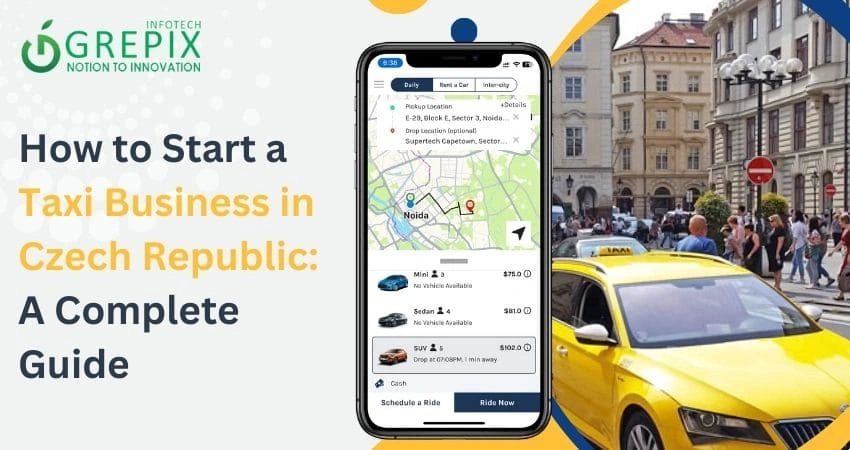
How to Start a Taxi Business in Czech Republic: A Complete Guide
You might want to start a taxi company in the Czech Republic. With its rich history, vibrant cities, and growing tourism, the country offers immense opportunities for entrepreneurs in the transportation sector. However, operating a successful taxi business requires more than just owning vehicles. It demands a thorough understanding of the legal requirements, competitive strategies, and customer needs.
Launching a taxi business in the Czech Republic is an exciting opportunity with immense potential. From crafting a solid business plan to navigating the legal landscape, every step is crucial to building a successful operation. By prioritizing customer satisfaction and staying compliant with regulations, you can carve a niche in this competitive market and drive your business to success.
This guide walks you through every step to help you get started on the right track.
Starting a taxi business in the Czech Republic offers incredible potential in a growing market fueled by tourism and urban demand. Success in this competitive industry requires a strong understanding of legal requirements, effective business strategies, and a customer-first approach. By expanding your fleet, introducing eco-friendly vehicles, and offering premium services, you can tap into diverse revenue streams. Partnering with local businesses, leveraging technology for streamlined operations, and prioritizing exceptional service will set you apart. At Grepix Infotech, we provide innovative taxi app solutions, including booking systems, GPS tracking, and cashless payments, tailored to your needs. Together, let’s build your vision into a thriving Czech taxi business.
1 Understanding the Taxi Market in the Czech Republic
Overview of Demand
The Czech Republic—cities like Prague, Brno, and Karlovy Vary—see significant demand for taxi services. Tourists often rely on taxis for airport transfers and sightseeing, while locals and corporate clients need reliable transportation for daily commutes. The growing urban population and tourism boom make this an ideal market for taxi entrepreneurs.
Prague alone draws millions of international visitors each year, and a large share of that traffic depends on taxis for airport transfers, late-night travel after public transit winds down, and short hops between the city's historic districts. This consistent baseline demand, layered on top of corporate and local commuter traffic, is part of why licensed taxis have remained resilient even as ride-hailing apps have grown.
Is a taxi business still profitable in the Czech Republic?
Yes, particularly in Prague and other tourist-heavy cities. Licensed taxis retain advantages that ride-hailing drivers don't always have, such as access to dedicated taxi ranks at airports and train stations and the right to take street hails. Operators who pair these legal advantages with app-based booking and transparent pricing tend to see the steadiest margins, since they capture both walk-up fares and pre-booked rides.
Competition in the Industry
The Czech taxi market is competitive, with licensed taxis and ride-hailing platforms like Uber, Bolt, and Liftago dominating the scene. While ride-hailing apps appeal to tech-savvy customers, licensed taxis maintain a stronghold due to their regulation, safety, and reliability. To stand out, focus on customer service, unique offerings (e.g., eco-friendly cars), or niche markets like luxury transportation.
2 Preparing Your Taxi Business Plan
Choosing Your Business Model
First, decide whether you’ll own and operate your fleet or lease vehicles to drivers. Traditional taxis are ideal for regulated, professional services, while app-based services attract younger, tech-friendly clients. Consider your resources and market preferences to define your model.
It helps to compare the main models side by side before committing. Each has a different cost structure and growth path:
| Model | Typical Setup Cost | Regulatory Load | Growth Ceiling |
|---|---|---|---|
| Traditional Licensed Taxi | Moderate to High | Heavy | Moderate, but stable |
| App-Based Fleet (own app) | Moderate to High | Moderate | High, scalable |
| Lease-to-Driver Model | Low to Moderate | Lighter for the owner | Scalable, but margin per vehicle is lower |
Figures are illustrative comparisons based on general market patterns, not official statistics.
Financial Planning and Budgeting
Starting a taxi business involves various expenses, including purchasing vehicles, obtaining licenses, and investing in software or taxi dispatch systems. Beyond these initial costs, plan for operating expenses such as fuel, maintenance, and insurance. Draft a realistic budget and set revenue goals to ensure profitability.
To make those revenue goals concrete, here's a simplified illustration of how a single taxi's monthly revenue typically splits between costs and net profit. Actual figures will vary by city and hours driven, but the proportions are a useful starting point:
Illustrative monthly cost breakdown for a single owner-operated taxi in the Czech Republic. Actual margins depend on city, fare structure, and hours on the road.
Identifying Your Target Market
Who will your services cater to? Tourists looking for city tours? Locals in need of daily commutes? Or corporate clients seeking reliable transportation? Tailoring your services to a specific audience ensures effective marketing and steady business growth.
3 Legal Requirements for Starting a Taxi Business
Registering Your Business
All businesses in the Czech Republic must register with the Czech Trade Licensing Office. You’ll need to choose a business structure, such as a sole proprietorship or limited liability company (s.r.o.). Ensure your registration includes tax obligations like VAT if your earnings exceed the threshold.
Obtaining a Taxi License
Taxi licenses are issued at the municipal level and vary by city. For example, operating in Prague requires compliance with specific local rules, including background checks and vehicle inspections. You’ll also need a professional taxi operator license, which verifies your qualifications.
What if the licensing process in Prague takes longer than expected?
Delays are common, since background checks, vehicle inspections, and exam scheduling can all add unpredictable wait time. A practical workaround many new operators use is to begin with the business registration and vehicle preparation steps in parallel rather than sequentially, so the vehicle, insurance, and taximeter installation are already sorted by the time the license itself is approved. This shortens the gap between getting licensed and actually generating revenue.
Driver and Vehicle Regulations
Drivers must pass a professional exam and maintain clean criminal records. Vehicles must meet safety and emissions standards, be equipped with taximeters, and display the appropriate taxi signage. Compliance is essential to avoid penalties.
4 Building and Managing Your Taxi Fleet
Choosing the Right Vehicles
Invest in vehicles that offer reliability, passenger comfort, and fuel efficiency. Hybrid and electric cars are becoming popular in the Czech Republic due to their lower operating costs and environmental benefits.
Vehicle Maintenance and Insurance
Regular maintenance ensures your vehicles remain in top condition and comply with safety standards. Comprehensive insurance is mandatory and should cover accidents, liability, and passenger protection.
5 Setting Up Operations
Dispatch and Booking Systems
A good dispatch system ensures efficient operations. You can develop your booking app or use third-party platforms like Liftago. Incorporate GPS tracking and cashless payment options to enhance customer convenience.
The Rise of AI-Based Taxi Apps
Beyond basic dispatch, more operators are moving toward AI-powered platforms that predict demand before it happens. These systems analyze historical booking patterns to anticipate where riders will need a taxi near Wenceslas Square during evening hours, for instance, or around Prague's main train station during peak arrival times which reduces empty return trips and shortens wait times.
- Predictive dispatching: Routes idle taxis toward zones where demand is expected to spike
- AI chatbots for bookings: Handle routine queries and reservations without tying up phone lines, useful for multilingual tourist requests
- Smart route optimization: Continuously recalculates routes using live traffic data
- Personalization: Remembers frequent riders' preferred pickup points, payment methods, and ride history
For independent and small-fleet operators, the decision is increasingly not whether to adopt this kind of technology, but whether to build it in-house or partner with a taxi app development company to integrate it faster.
Hiring and Training Drivers
Hire qualified drivers who meet legal requirements and prioritize customer satisfaction. Training programs focused on professionalism, local routes, and language skills (for tourists) can set your business apart.
Also Read: "Uber Alternatives - A List of Best Taxi Apps Like Uber"
6 Marketing Your Taxi Business
Establishing Your Online Presence
Create a professional website showcasing your services, pricing, and contact details. Optimize your website for local search terms like “taxi in Prague” or “airport transfers in Brno.” Use Google My Business and social media to reach a broader audience.
Partnering with Local Businesses
Collaborate with hotels, travel agencies, and event planners to secure long-term contracts. Offering corporate packages or special deals for tourist groups can boost your business.
Retaining Customers
Loyal customers are your best promoters. Offer loyalty programs, referral discounts, and excellent service to ensure repeat business. Encourage satisfied clients to leave reviews on platforms like Google or TripAdvisor.
7 Scaling and Growing Your Taxi Business in the Czech Republic
Expanding Your Fleet
As your taxi business grows, increasing the size of your fleet is a natural step to meet rising demand. Consider expanding into nearby cities such as Brno or Plzeň, or underserved rural areas, to unlock new revenue streams. Additionally, integrating eco-friendly options like electric or hybrid vehicles into your fleet not only reduces operational costs but also aligns with global sustainability trends. These vehicles are increasingly appealing to environmentally conscious customers and comply with the Czech Republic's growing emphasis on green initiatives.
Diversifying Revenue Streams
Enhance your income by offering new services. Introduce premium options such as luxury vehicles for weddings, corporate events, or special occasions. Long-distance travel packages tailored for tourists visiting popular destinations like Český Krumlov or Karlovy Vary can also add value. Moreover, developing your mobile app for direct bookings can streamline operations and attract tech-savvy customers, enabling you to compete effectively with established ride-hailing platforms.
The Future: Green, AI-Driven, and Personalized Taxis
Three forces are shaping where the Czech taxi industry is headed over the next several years:
- Electrification: Prague and other cities are gradually tightening emissions expectations, and hybrid or electric vehicles are shifting from an optional upgrade to an increasingly expected standard.
- AI-driven operations: Predictive dispatch and automated fare logic are moving from competitive advantage to baseline expectation as fleets compete against well-funded ride-hailing apps.
- Personalized rider experiences: Riders increasingly expect apps that remember saved addresses, preferred vehicle type, and language preference rather than treating each booking as a one-off.
Operators who start building toward this combination now clean vehicles, smart software, and a personalized customer experience tend to be in a stronger position than those who wait until it becomes the norm.
Why Is the Taxi Industry Still Growing?
It might seem counterintuitive that licensed taxis keep growing alongside ride-hailing apps, but a few factors explain it in the Czech context:
- Tourism in Prague and other historic cities continues to grow, and visitors often default to taxis at airports and stations out of familiarity and trust.
- An aging population in many regions relies more heavily on taxis than on apps that assume a smartphone-first booking experience.
- Corporate travel demand has remained resilient, and many companies maintain account arrangements with licensed taxi firms rather than individual ride-hailing drivers.
- Late-night and early-morning travel, when public transit is limited, continues to favor taxis with dedicated ranks over app-only services.
8 Challenges in the Czech Taxi Market
Navigating Competition
In the Czech Republic, competition from ride-hailing services like Uber and Bolt, as well as local taxi operators, can be fierce. To stand out, emphasize the strengths of your licensed taxi service, such as transparent pricing, professional drivers, and a strong commitment to passenger safety. Use these unique selling points in your marketing campaigns to attract customers who value reliability and exceptional service.
Handling Seasonal Fluctuations
The Czech taxi market experiences seasonal demand shifts, especially in tourist-heavy areas like Prague and Český Krumlov. During peak times such as the summer or Christmas markets, ensure your fleet and workforce are adequately prepared to meet increased demand. In quieter periods, attract local customers by offering loyalty programs, discounted fares, or special promotions, helping maintain a steady business year-round.
Operators who manage these challenges most successfully tend to treat them as ongoing habits rather than one-time fixes — reviewing pricing against local ride-hailing rates every few months, renegotiating insurance annually, and revisiting which zones and seasons are most profitable as tourist patterns shift.
Case Study: Scaling a Small Fleet in Brno
A small taxi operator in Brno started in 2021 with three vehicles, relying mostly on phone-based bookings and street hails near the city's main train station. Within three years, the fleet grew to eleven vehicles and expanded into corporate accounts and event transportation. A few decisions were central to that growth:
- Switched to app-based dispatch early: Replacing phone bookings with a digital system cut idle time between rides and revealed which zones generated the most consistent demand throughout the week.
- Added two hybrid vehicles: Beyond lowering fuel costs, this made the fleet more attractive to corporate clients with their own sustainability commitments.
- Built direct partnerships with two hotels: Guaranteed referral contracts created predictable baseline revenue that smoothed out the slower winter months.
- Tracked performance metrics monthly: Reviewing booking-to-completion rates and average wait times helped catch service issues before they affected online reviews.
The result was a fleet that more than tripled in three years, funded mostly through reinvested profits rather than outside investment. The case reflects a broader pattern across the Czech market: early technology adoption paired with a couple of stable B2B partnerships tends to matter more to long-term growth than competing purely on per-ride pricing.
Conclusion
Launching a taxi business in the Czech Republic offers immense potential, with its thriving tourism industry, bustling urban centers, and steady demand for reliable transportation. While the market is competitive, a well-planned approach, including legal compliance, excellent customer service, and strategic marketing, can help your business stand out. From expanding your fleet with eco-friendly vehicles to leveraging local partnerships and diversifying revenue streams, success requires innovation and a focus on customer satisfaction.
FAQs
1. What are the costs of starting a taxi business in the Czech Republic?
Expect to invest in vehicles, licenses, insurance, and operations. Startup costs typically range from €10,000–€30,000, depending on fleet size.
2. How do I apply for a taxi license in Prague?
Contact the local municipal office, meet the requirements for vehicles and drivers, and complete the licensing application.
3. Can foreigners start a taxi business in the Czech Republic?
Yes, but you’ll need a valid residence permit to comply with local business regulations.
4. What insurance is required for taxi services?
Comprehensive insurance covering third-party liability, passengers, and accidents is mandatory.
5. How can I compete with Uber and Bolt?
Focus on excellent service, transparent pricing, and unique offerings like eco-friendly or luxury vehicles.
6. What if I can't afford the full cost of starting a fleet upfront?
Many new operators start with a single vehicle under a sole proprietorship and reinvest early profits toward expanding the fleet over time. Bank loans and leasing arrangements can also spread out the initial cost of vehicles.
7. What should I do if demand is inconsistent throughout the week?
Inconsistent demand is common for new operators. Diversifying into airport transfers, corporate accounts, and long-distance tourist packages helps smooth out slow weekdays, since each segment tends to peak at different times.
8. Is it worth investing in a custom taxi app instead of using a third-party platform like Liftago?
It depends on your scale. A handful of vehicles can usually run well on a third-party platform. Once a fleet grows past a certain size, a custom-branded app often pays for itself through better customer retention, direct bookings, and features like loyalty programs or corporate billing.
9. What if the taxi licensing process in my city is taking too long?
Use the waiting period productively finalize vehicle inspections, insurance, and taximeter installation in parallel with the licensing paperwork. Some operators also start as a sole proprietorship offering pre-booked rides, which has fewer upfront requirements, while the full taxi license is processed.
Looking out to start your own venture like Uber? Try out our HireMe Taxi Uber Clone, the easiest way to kick-start your taxi business.